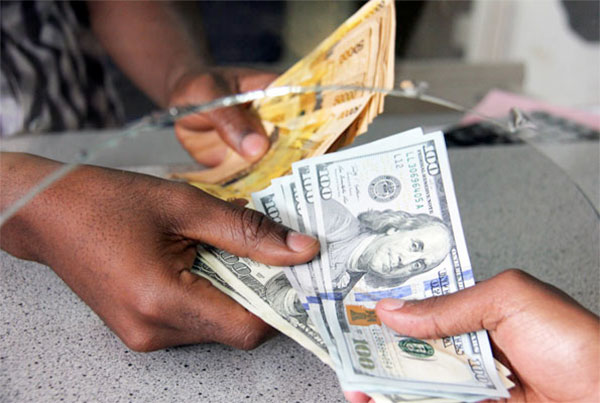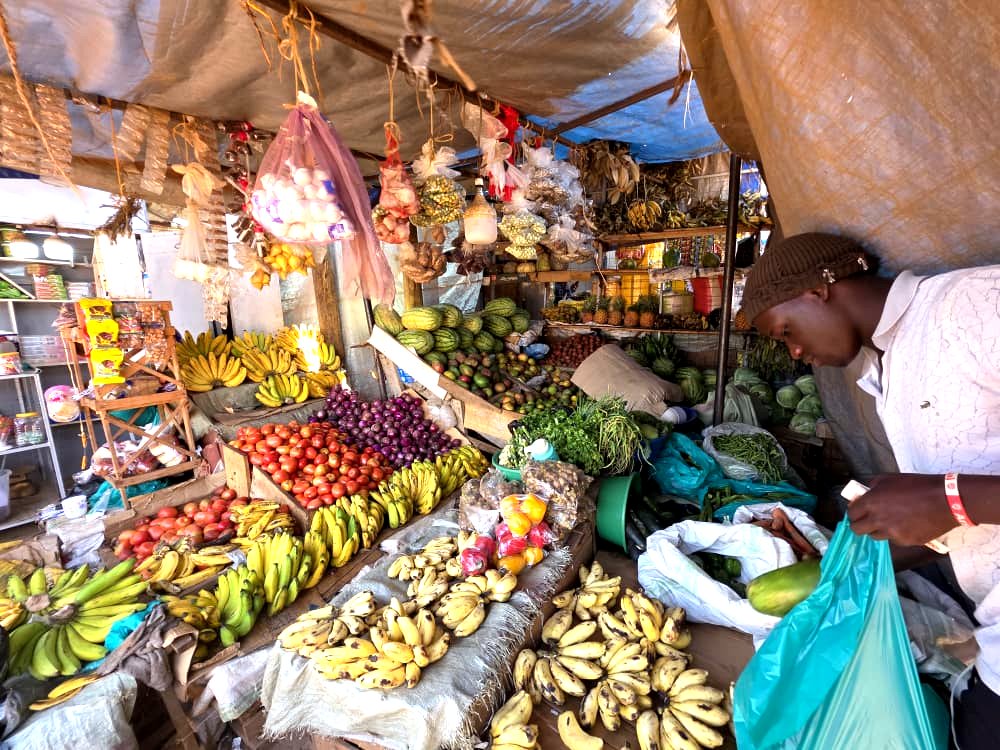
Following the President’s recent assent, some of Uganda’s tax amendments for the Financial Year 2026/27 have come into effect. Among these amendments are several measures that directly touch the pockets of ordinary Ugandans, with implications on household incomes, spending, and the cost of living.
Among the most notable amendments are the following; First are the proposed revisions to the Fourth Schedule of the Income Tax Act, which, among other changes, introduce new tax rates and thresholds for resident individuals. Second, the Value Added Tax (VAT) (Amendment) Act 2026 which doubled the annual VAT registration threshold from UGX150 million to UGX 300 million. Third, amendments to the Second Schedule of the Excise Duty Act which revised excise duty rates on selected goods and services, among other reforms.
Together, these reforms, and many others, have varying objectives, ranging from enhancing government revenue mobilisation, improving fairness in the tax system, reducing the tax burden on low-income earners, among others. However, for low-income households, the immediate question is what the combination of these amendments means for their earnings and day-to-day living.
For instance, as part of the income tax reforms, the lowest threshold exempt from taxation was raised from UGX 235,000 to UGX 335,000. This reform means that formally employed individuals earning UGX 335,000 and below are not subject to income tax, reducing the tax burden on low-income earners. This reform provides some relief to more formal workers whose earnings were formerly above the exempt threshold and were therefore subjected to tax.
Similarly, the revision of the VAT registration threshold means that more Small and Medium Enterprises (SMEs) will no longer be required to register for or file annual VAT returns. This amendment reduces compliance costs for formal SMEs that formerly had to comply with these requirements. This allows small business owners to focus more on growing their cash flows than on meeting the costly and cumbersome administrative tax obligations. This reform demonstrates government’s recognition for the role played by the formal private sector.
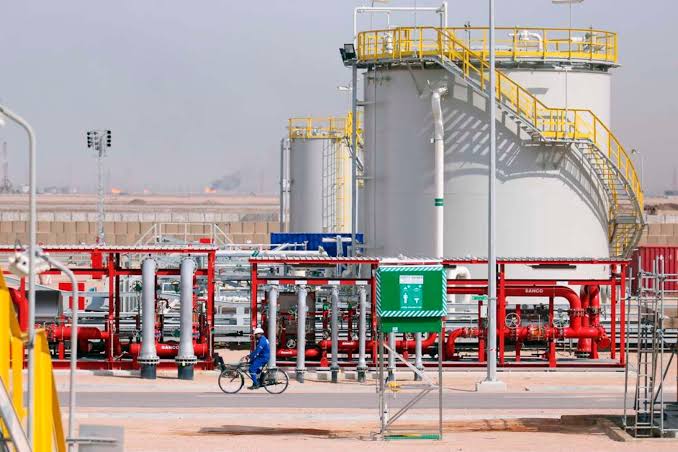
By contrast, the amendment to the Second Schedule of the Excise Duty Act, which introduced an additional tax on essential commodities such as fuel, sugar, cooking oil, among others, erodes the benefits that low-income households could gain from the earlier tax reforms. Specifically, the tax on fuel which raises transportation costs. The rising cost of fuel spills over into the prices of other essential goods and services, further straining household budgets. For example, a formal worker who saves UGX 20,000 per month from the income tax relief may spend an additional UGX 30,000 on transport and food due to higher fuel prices making him worse off. Worse still, this comes at a time when the economy is already grappling with elevated fuel prices and supply pressures associated with the ongoing crisis in the Middle East.
Additionally, high fuel prices imply that farmers are now paying more to transport their produce to markets, manufacturers are incurring higher production costs which are ultimately passed on to consumers through higher prices. For low-income households that spend a relatively larger share of their income on food, slight increases in transport costs imply lower purchasing power for food and other essential daily needs. This reverses the benefits from the earlier mentioned tax reliefs.
Besides, the tax reliefs for workers and SMEs only accrue to formal low-income earners, yet more than half of Uganda’s economy operates in the informal sector. This implies that low-income earners that do not benefit from income tax and VAT reliefs are disproportionately affected by the imposition of an extra tax on the earlier mentioned essential commodities.
As such, the above tax reforms are judged in the sense that they are giving back with one hand while taking away with the other. The reduced tax burden for low-income earners increases their disposable income, yet price increases on essential consumption commodities absorb a larger share of their limited resources.
Notably, only a small segment of the low-income earners (formal workers and businesses) stands to gain from the tax reliefs. Therefore, while implementing the new tax reforms, the tax authority and other stakeholders should enhance investment in complementary measures such as expanding targeted social protection programmes to cushion vulnerable households from the rising cost of living; enhancing support to the agricultural sector to offset rising food prices, continued investment in programmes such as the Parish Development Model (PDM), among others.
These would help ensure that government’s revenue mobilisation efforts do not come at the expense of poverty reduction.