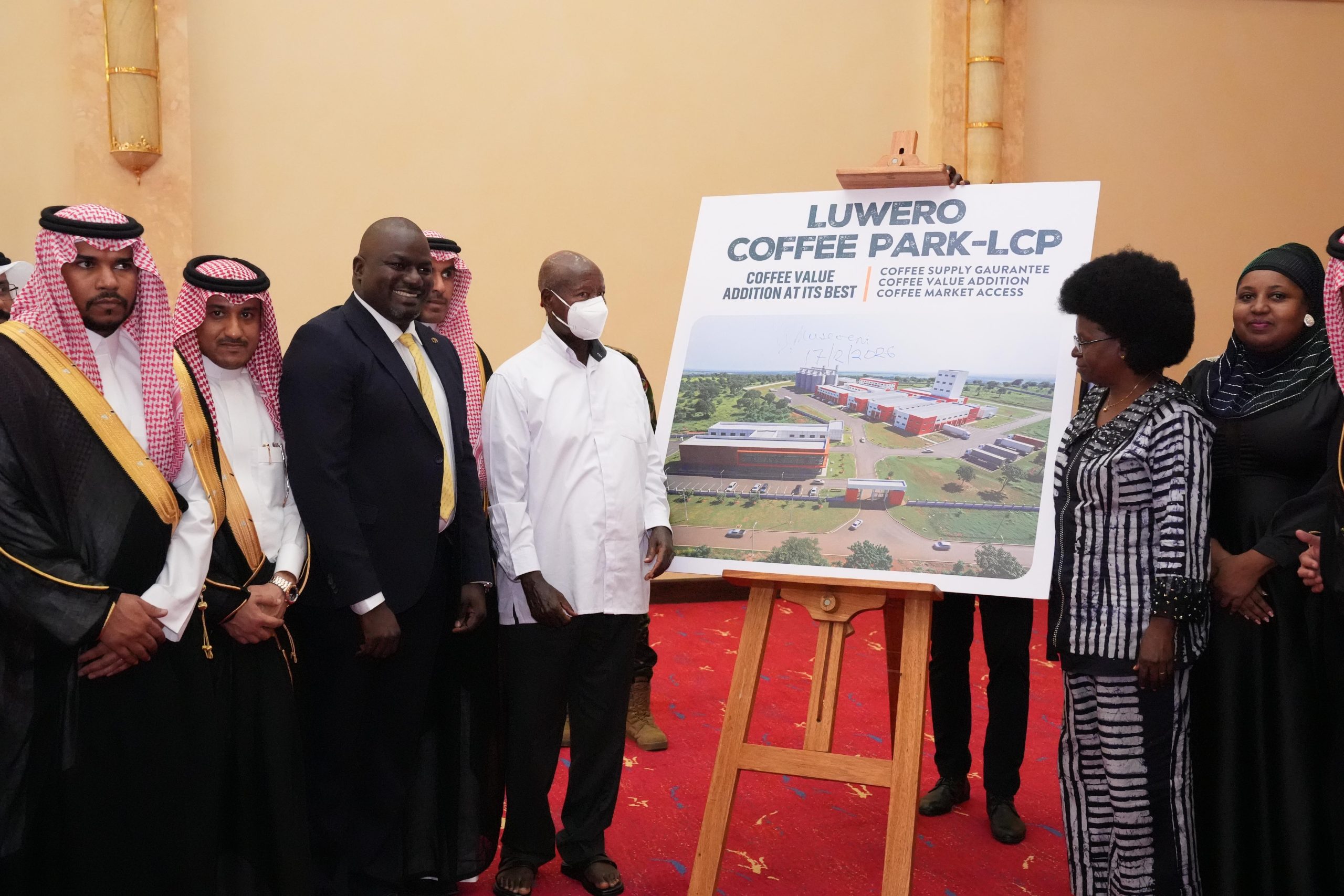
Uganda’s proposed US$200 million investment in the Nonda Coffee Park could significantly contribute to the country’s industrial growth by expanding domestic coffee processing, creating jobs, strengthening exports and retaining more value within the economy. The project’s success, however, will depend on a reliable supply of coffee from farmers, strong quality standards, efficient infrastructure, diversified export markets and the transparent use of public resources.
The Value-Addition Gap
Uganda’s coffee industry has recorded impressive growth. Between June 2025 and May 2026, the country exported approximately 8.6 million 60-kilogram bags of coffee, up from 7.4 million bags during the corresponding previous period. This represented a 16 percent increase in export volumes, while export earnings rose by approximately 11 percent, from US$2.1 billion to US$2.3 billion (MAAIF, 2026).
However, higher export volumes do not necessarily mean that Uganda captures a proportionate share of the coffee industry’s final value. The International Labour Organization estimated that approximately 95 percent of Ugandan coffee is exported as green coffee (ILO, 2024). Although exporting green coffee provides Uganda with substantial foreign exchange earnings, much of the higher-value activity, including roasting, grinding, packaging, branding, marketing and retailing is undertaken further downstream, often in importing countries.
The ILO notes that limited domestic processing facilities and inadequate incentives for local roasting and packaging constrain the economic benefits that Uganda and its coffee farmers can obtain from the sector. Consequently, Uganda misses opportunities to generate additional employment, acquire processing technologies, develop local enterprises and retain a greater proportion of coffee earnings within the domestic economy (ILO, 2024).
Nonda Coffee Park
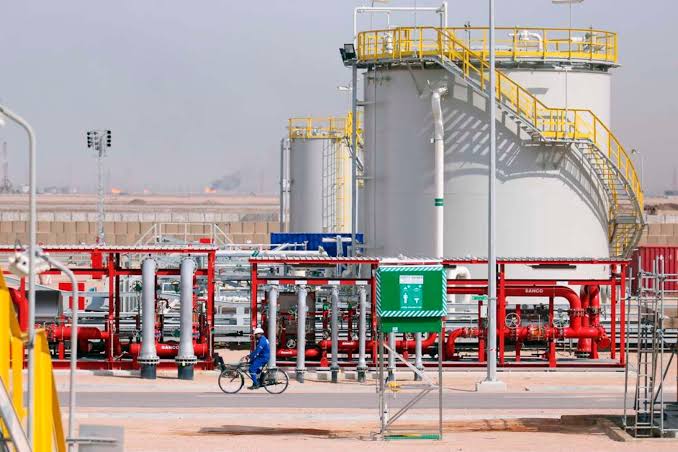
The Nonda Coffee Park seeks to address this imbalance by undertaking more activities domestically. The proposed US$200 million Nonda Coffee Park in Butalangu Town Council, Nakaseke District, presents an opportunity to change this pattern. The complex is expected to process 42,000 metric tonnes annually. Groundbreaking is planned for October 2026, with completion targeted within 24 months. The facility is expected to cover cleaning, grading, roasting, grinding, soluble and speciality coffee production, packaging, branding and export. It could therefore move Uganda from mainly supplying raw beans to producing consumer-ready coffee products.
This shift is central to industrialisation. Industrial growth occurs when domestic firms acquire the technology, skills, infrastructure and market connections needed to transform raw materials into higher-value goods. Uganda’s Tenfold Growth Strategy identifies commodity value addition as a pathway for expanding manufacturing and higher-value exports.
The project will combine public and private financing. The Government of Uganda is expected to contribute approximately US$44 million, while about US$156 million will come from Saudi private investors. Processed coffee will reportedly be supplied to Saudi Arabia, and developers project that the facility could generate over US$800 million annually. However, this forecast will depend on production, costs, prices, quality, demand and buyer retention. Saudi Arabia could provide an entry point into the wider Middle East market and reduce Uganda’s dependence on traditional destinations, particularly Europe. However, relying heavily on one buyer would create another vulnerability. The Saudi market should therefore support expansion into several destinations, protecting the project from changes in demand, regulation, trade relations or economic conditions.
Employment, Farmer Livelihoods
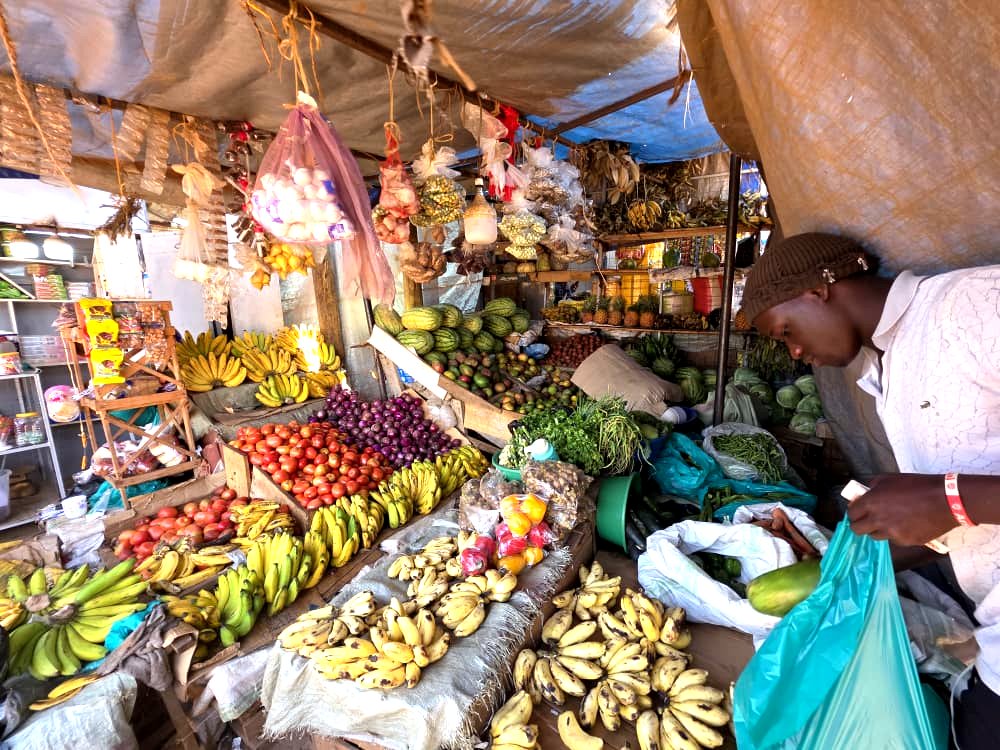
The Park’s wider contribution may be strongest in employment and farmer livelihoods. Project promoters estimate that it could create about 1,500 direct jobs and 3,000 indirect jobs, while integrating more than 100,000 coffee-farming households into a structured supply chain. Opportunities could emerge in processing, engineering, quality assurance, packaging, marketing, transport, warehousing and distribution. For farmers, the investment could create a more predictable domestic market and stronger demand for quality coffee.
The park could further strengthen Uganda’s coffee identity. Rather than remaining known mainly as a supplier of green beans for foreign blends, Uganda could build consumer-facing brands around its Robusta heritage, Arabica-growing regions and speciality varieties. This will require investment in certification, product design, marketing and research, alongside machinery. Products must satisfy market expectations on taste, packaging, quality, sustainability and price.
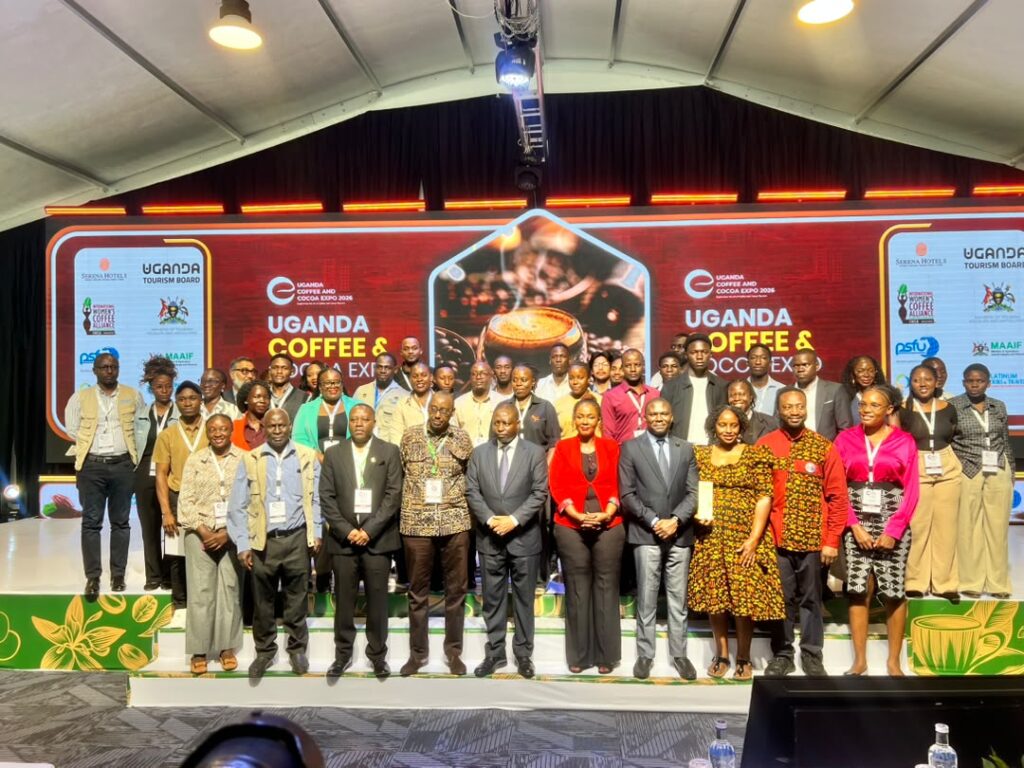
A recent coffee expo in Uganda. Photos/courtesy
Risk Factors
Despite its potential, the project faces major risks. First, the facility will require a dependable supply of high-quality coffee. Investment must therefore extend beyond the factory gate. Farmers will need improved planting materials, extension services, pest and disease control, post-harvest equipment and training. Poor handling could reduce bean quality and weaken the competitiveness of processed products.
Second, industrial coffee processing requires reliable electricity, water, roads and logistics. Frequent power interruptions, high energy costs or poor transport connections could raise operating expenses and undermine export commitments. Coordinated infrastructure investment will therefore be essential, particularly in roads linking farmers and collection centres to the Nakaseke facility.
Third, Uganda must strengthen certification, traceability, laboratory testing and food-safety systems. Exporting branded products exposes producers directly to international consumer, environmental and safety requirements. A serious quality failure could damage both the company and Uganda’s wider coffee reputation. The government’s US$44 million contribution must also be managed transparently.
Clear information is needed on the form of public support, ownership arrangements, investor obligations, expected public returns and procedures for managing risks. Government should regularly disclose implementation progress, employment outcomes, procurement arrangements and the project’s contribution to local value creation.
Also, the Park must prepare for increasingly stringent environmental and traceability requirements in major export markets. Europe remains Uganda’s largest coffee market, accounting for approximately 67 percent of exports between June 2024 and May 2025.
Access to the European Union market will increasingly depend on compliance with the European Union Deforestation Regulation, which requires coffee to be demonstrably deforestation-free, legally produced and traceable to its place of production. Compliance will require farm-level geolocation, verification that coffee was not produced on land deforested after 31 December 2020, reliable supply-chain records and appropriate due-diligence and risk-mitigation systems.
Sustainable Coffee Industry
Therefore, Uganda should not treat one large investment as a substitute for developing the entire domestic coffee industry. Smaller roasters, packaging firms, cafés, farmer-owned processors and speciality exporters also need finance, technology, skills and market access.
The Park should create strong linkages with these enterprises rather than operate as an isolated industrial enclave. The Nonda Coffee Park arrives at a defining moment. Uganda has demonstrated that it can increase coffee production and export earnings. The next challenge is to participate more deeply in processing, branding and marketing.