As Uganda pursues ambitious aspirations to transform the country, one of the most important pillars of economic growth, care work, lies unrecognised and less rewarded.
From childcare and eldercare to healthcare services, the care economy forms the foundation upon which the productive economy depends. Much of this economy remains unpaid and unrecognised. The renumerated care givers normally receive a paltry pay. The Human Capital Development Programme under the Fourth National Development Plan (NDP-IV) emphasizes gender equality and women’s empowerment, acknowledging that unpaid care work disproportionately affects women.
The care economy comprises both paid and unpaid activities that support the wellbeing of individuals. These include childcare providers, nurses, teachers, community health workers, and caregivers for persons with disabilities and the elderly, as well as unpaid household work such as cooking, cleaning, collecting water and firewood, and caring for family members.
Despite its importance, much of this work remains unaccounted for in Uganda’s national income statistics. In Uganda, according to (UBOS 2019) gender issues report that women and girls perform approximately three times more unpaid care work than men, limiting their opportunities to engage in paid employment, education, entrepreneurship, and leadership roles
Unpaid care work acts as a subsidy to the formal economy. Paid workers can only be effective because someone cares for children, preparing meals, maintaining homes, and supports family wellbeing.
A recent study by Economic Policy Research Centre indicates that Ugandan women spend between 5.5 and 7 hours daily on unpaid care and domestic work, compared to about 3.5 to 5 hours for men. Time spent on unpaid care reduces the hours available for paid employment and income-generating activities, particularly for women in rural communities.
Integrating care services into economic planning could unlock substantial productivity gains across sectors. Improved childcare services alone could enable thousands of women to join or remain in the labour market and this could boost the GDP.
Uganda already has one of the highest female labour force participation rates in Africa. The World Bank’s Global Economy report in 2024 estimates places female labour force participation at approximately 76.5 percent although the quality and productivity of women’s participation remain constrained by unpaid care responsibilities. Research in Sub-Saharan by Nkafu Policy Institute shows that women frequently balance paid employment with extensive caregiving duties which not only limits their productivity but also curtails their earnings growth, and career advancement.
Employment
If recognised and planned well, the care economy presents a significant opportunity for decent employment growth. Investment in daycare centres, early childhood development services, home-based healthcare, elderly care facilities, and disability support programmes could create thousands of formal jobs for trained caregivers, nurses, teachers, social workers, and support staff. This would also reduce the burden of unpaid care work on women.
With Uganda’s Population projected to exceed 50 million people in the coming years, demand for childcare, healthcare, and eldercare services is expected to rise significantly.
Experts argue that investments in infrastructure should be viewed alongside investments in care systems. Access to clean water, electricity, healthcare facilities, and modern cooking technologies significantly reduces the time women spend on household chores.
This frees up hours that can be redirected toward productive economic activities, education, and entrepreneurship. Reducing the burden of unpaid care work requires investments in public services and social infrastructure, alongside efforts to redistribute care responsibilities within households.
Priority interventions to harness the economic potential of the care economy could be: promoting shared household responsibilities between men and women, same pay for both men and women; expanding affordable childcare centres in urban and rural areas; improving wages and working conditions for paid care workers; and expanding social protection programmes for caregivers.
As Uganda seeks sustainable and inclusive growth, the care economy can no longer remain invisible. While roads, factories, industrial parks, and oil infrastructure are critical for development, they depend on healthy families and functioning households. Recognising care work as productive economic activity could increase labour productivity, expand employment opportunities, empower women, and strengthen human capital.
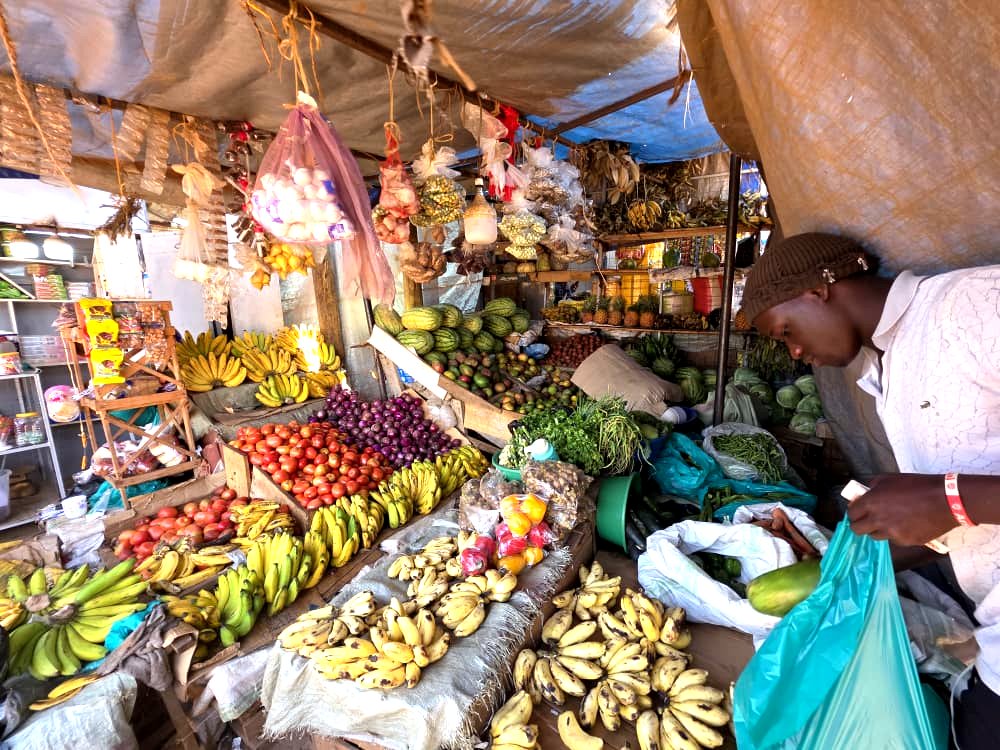
Photo/EPRC: women are disproportionately burdened by unpaid care work