Every month, Ugandan employees receive their salaries after PAYE, NSSF and other deductions have been made. While taxation is essential for financing public services and national development, the growing cost of living raises an important policy concern: revenue mobilisation must not undermine the purchasing power of the workers who contribute to it.
According to UBOS Labour market survey 2025, Uganda’s formal sector consists of 2.4m employees, yet only 875,708 contribute to PAYE, making this group a critical pillar of domestic revenue. For the formal workers, take-home pay is squeezed even further as they contribute 5% of their monthly wages to NSSF, leaving them with barely enough disposable income to cover the ever-increasing cost of living.
This puts a severe strain on their ability to pay for food, rent, transport, healthcare, education, energy, and other essential necessities
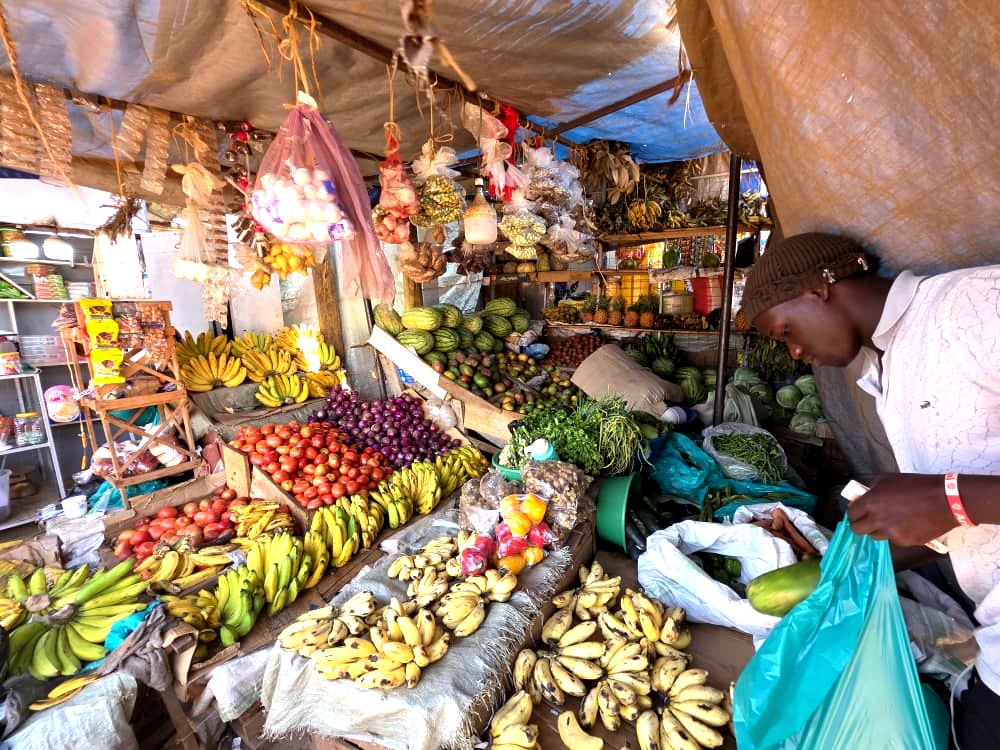
According to Uganda National Household Survey 2023/2024, Ugandans spend on average 44.8% of their household expenditure on food, 15.9% on housing, fuel and energy and 9.1% on transport and communication. In urban areas where many formal workers live, the share of income is 36.1% for food, 18.1% for rent, fuel and energy and 11.6% for transport and communication.
Taken together, these three categories absorbed 65.8% of urban household expenditure, leaving households with considerably less room for savings, investment and unexpected expenses.
Although these figures describe household expenditure rather than formal workers’ salaries specifically, they illustrate the significant cost pressures that workers face after statutory deductions, raising an important question regarding the trade-off between increased domestic revenue and workers’ standard of living and wellbeing.
In response, the government has however taken the step to raise the tax-free threshold from UGX 235,000 per month to UGX 335,000 in an attempt to ease the tax burden on lower income earners. This reform however leaves the lower income earners with higher disposable income compared to the other income groups, but cost of living still continues to skyrocket, driven by but not limited to inflation that erode workers’ purchasing power.
Bank of Uganda reported headline inflation increasing from 2.8% in March 2026 to 3.0% in April 2026, while UBOS reported a further increase from 3.7% in June to 4.0% in July 2026. Consequently, even where nominal salaries increase modestly, the real value of workers’ earnings continues to weaken.
The impact is not only confined to low-income employees. Middle- and upper-income earners face progressively higher tax liabilities while simultaneously carrying substantial financial responsibilities including housing, school fees, healthcare, family support, loans and savings. The recent PAYE adjustment provides greater relief at the lower end but does not necessarily address the pressure experienced by workers whose earnings place them in higher tax brackets.
However, the government should regularly update PAYE tax brackets to match the modern living expenses. Right now, as inflation rises, workers get pushed into higher tax brackets even though their real purchasing power hasn’t changed. Fixing this keeps more money in the pockets of workers.
Despite the fact that high inflation is shrinking the real income of workers in Uganda, employers can actively implement structured cost of living benefits such as subsidised transport, housing assistance, health insurance, childcare, and meal support to directly elevate worker welfare and retain top talent without over relying on basic salary increases which might be unsustainable.
The government should assess the major tax changes not only by the revenue they are expected to generate but also by how the taxes affect worker’s disposable incomes after essential living cost. A yearly assessment could examine combined effect of PAYE, NSSF, food, housing and transport costs on different income groups.
This allows policy makers to identify areas where tax induced reductions in disposable income may undermine the welfare, savings and incentives to remain in the formal employment.
The writer is a trainee at Economic Policy Research Centre