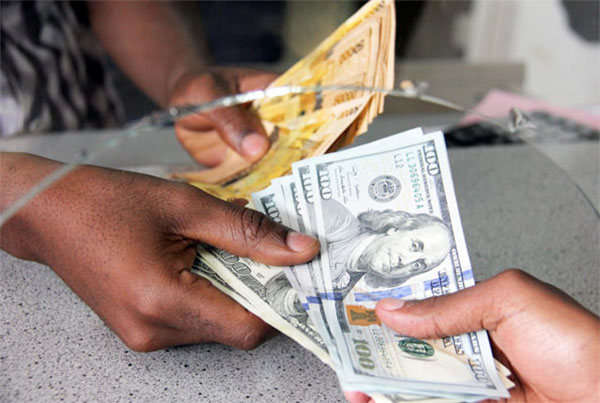
Since July 2026, the Uganda shilling has weakened sharply against the US dollar. Bank of Uganda’s official mid-rates show the shilling moving from an average of UGX 3,705 per dollar in July 2026 to UGX 3,730 in August, about UGX 3,917 on 14 September and UGX 4,153 on 13 October, a depreciation of about 12 percent.
This is the shilling’s weakest level since at least 1993, and its fall of more than 10 percent since 25 August was the largest among the 144 currencies tracked by Bloomberg. This blog examines how the depreciation is likely to affect households, business enterprises and Government.
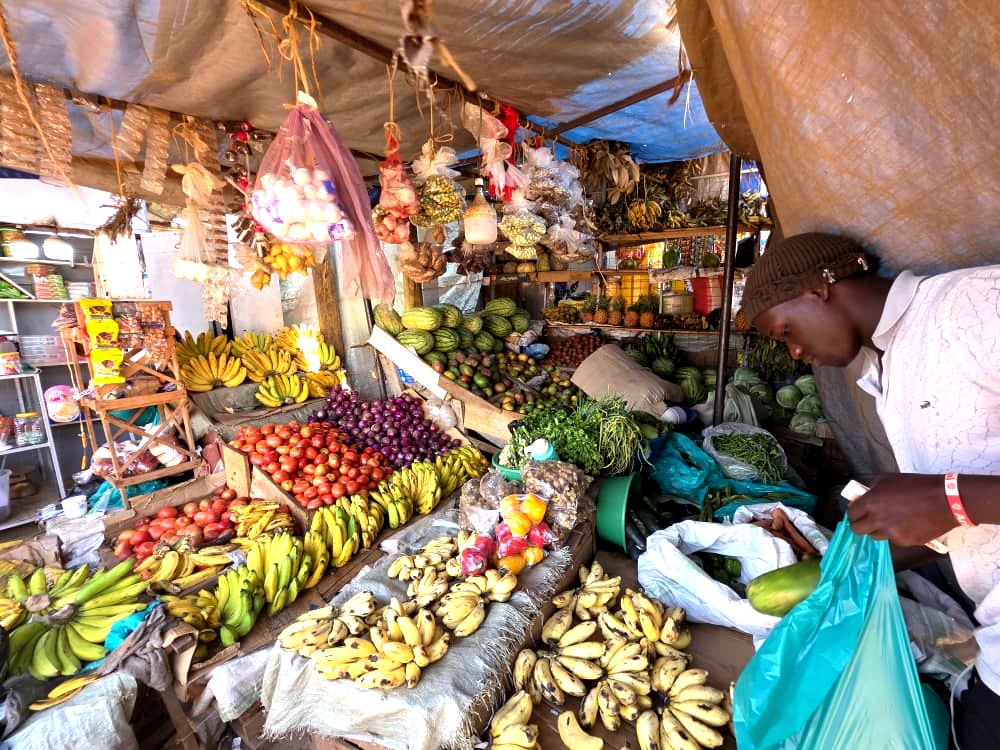
According to the African Development Bank’s Country Focus Report for Uganda 2026, total consumption accounts for 79.8 percent of GDP (64.5 percent from households), so a weaker shilling quickly raises the cost of living through transport fares, food and imported goods.
The Uganda Bureau of Statistics (UBOS) Consumer Price Index release for September 2026 shows headline inflation rising from 4.0 percent in July 2026 to 4.6 percent in September, driven by food and fuel.
Bank of Uganda’s Monetary Policy Statement of October 2026 projects it to reach 7.0–7.5 percent over the next 12 months. Average pump prices rose from UGX 6,538 per litre for petrol and UGX 6,603 for diesel in July 2026 (UBOS) to about UGX 7,000 and above UGX 7,100 respectively by mid-October, increases of about 7 percent and 7.5 percent.
Impact
Household budgets will come under strain, and poorer households, which spend most of their income on food and transport, will be hit hardest.
For firms that import goods and services, the depreciation means a costlier import bill. Merchandise imports were about USD 1.6 billion in July 2026 and USD 2.3 billion in August, according to Bank of Uganda trade data released on 5 October 2026.
In the month of July 2026, the trade deficit widened to USD 210 million from USD 11.2 million in July 2025, according to the Ministry of Finance, Planning and Economic Development’s (MoFPED) Performance of the Economy Report, August 2026, adding pressure on the shilling.
For an importer, a USD 10,000 invoice that cost about UGX 37 million in July now costs about UGX 41.5 million. Firms must either raise prices and lose sales or absorb the cost and accept lower profits; those with dollar loans also pay more, and many will cut stocks or delay orders.
Exporters such as coffee traders earn more shillings per dollar, but the gains are slow because many rely on imported inputs. Government can help them by paying VAT refunds and duty drawbacks promptly and widening export credit through the Uganda Development Bank.
For government, the depreciation means a heavier debt burden and less money for public services. In FY2025/26, Uganda paid USD 1.418 billion for principal, interest, and fees on external debt, according to MoFPED’s Report on Public Debt, Grants, Guarantees and Other Financial Liabilities.
Growing debt stock, even without new borrowing, diverts funds from essential services such as health, and education.
Bank of Uganda’s reserves of about USD 6.6 billion at the end of May 2026, roughly 2.7 months of imports and below the 3.5–4.5 months the IMF considers adequate, limit how long it can sell dollars to support the shilling.
A clear and predictable policy environment will guarantee foreign exchange inflows. This entails stable tax and trade policies, reliable power and transport, and easier access to long-term finance, so that private firms can invest in processing coffee and minerals before export and in producing goods Uganda currently imports.
Clear and consistent rules would also encourage foreign firms to reinvest their profits locally, while labour agreements with countries beyond the Middle East would bring in steadier remittances.