Uganda could boost its health services exports through deliberate investment in and positioning the sector as a tradeable service, experts have said.
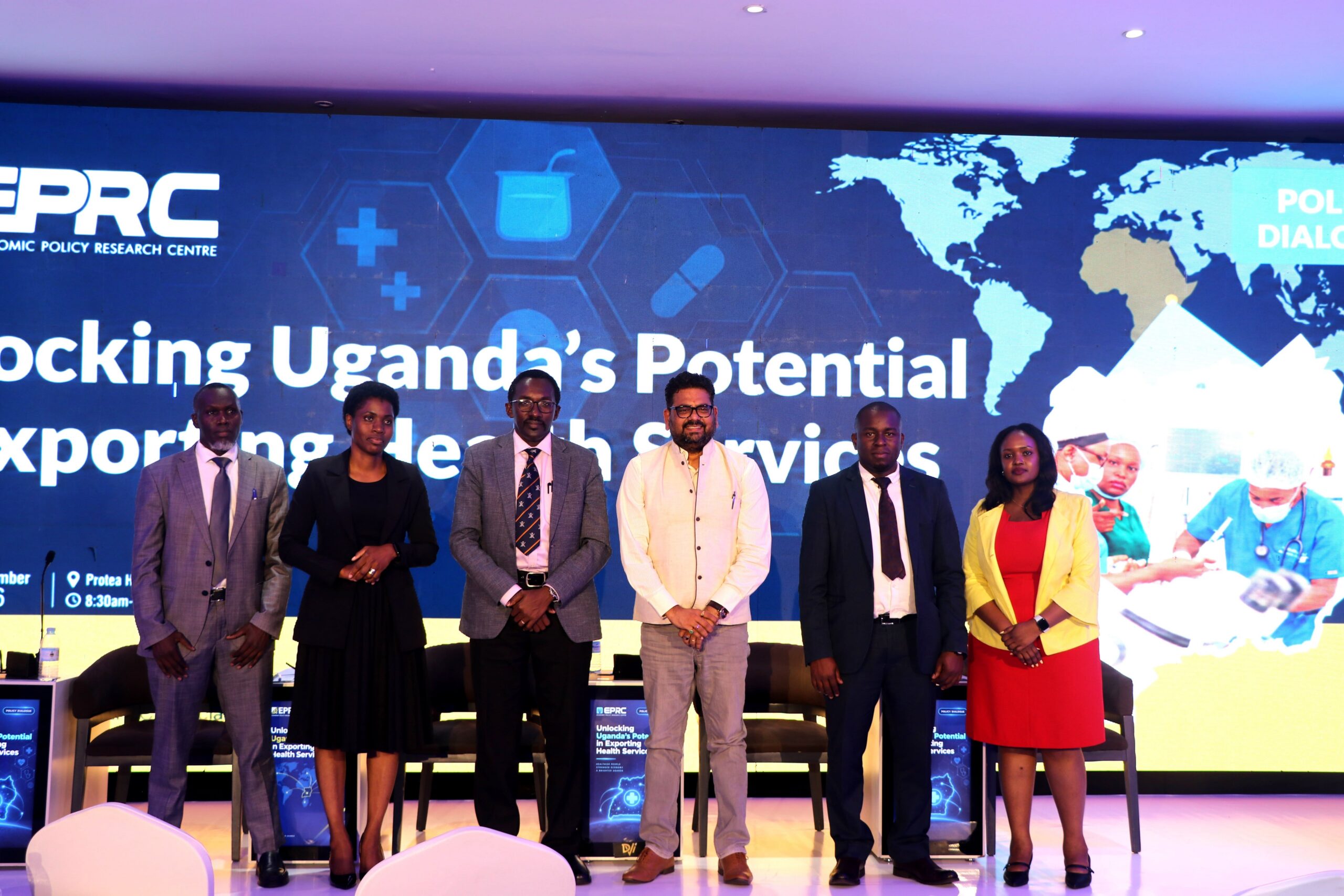
During a high-level policy dialogue organised by the Economic Policy Research Centre at Protea Hotel Kampala Skyz on September 28, 2026, participants noted that Uganda is already attracting patients from mostly the East African region and beyond.
Whereas this shows that the market is available, participants noted, the quality of patients and numbers attracted to Uganda remain low. Between 2015 and 2024, Uganda’s health services exports surged from $3.3 million to $26.8 million annually. Meanwhile, Ugandans spend on health services abroad was $4.7m in 2024.
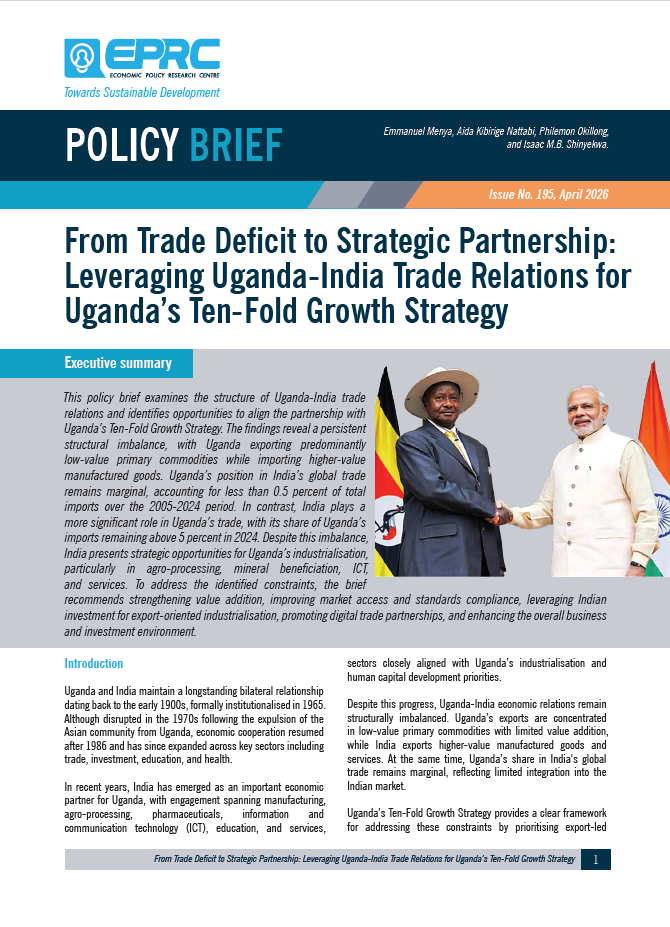
Presenting the EPRC study on unlocking Uganda’s potential to export health services, Mr Philemon Okillong, a Research Analyst, noted that positioning health services as an export would diversify the country’s exports basket; attract investment in specialised care, and boost employment.
Internet and connectivity have meant that some foreign patients no longer make long journeys to Uganda. Some can be attended to virtually. This has come with challenges including internet costs, power stability, and issues around data privacy. Across the border, there are hurdles with cross-border licenses, and insurance.
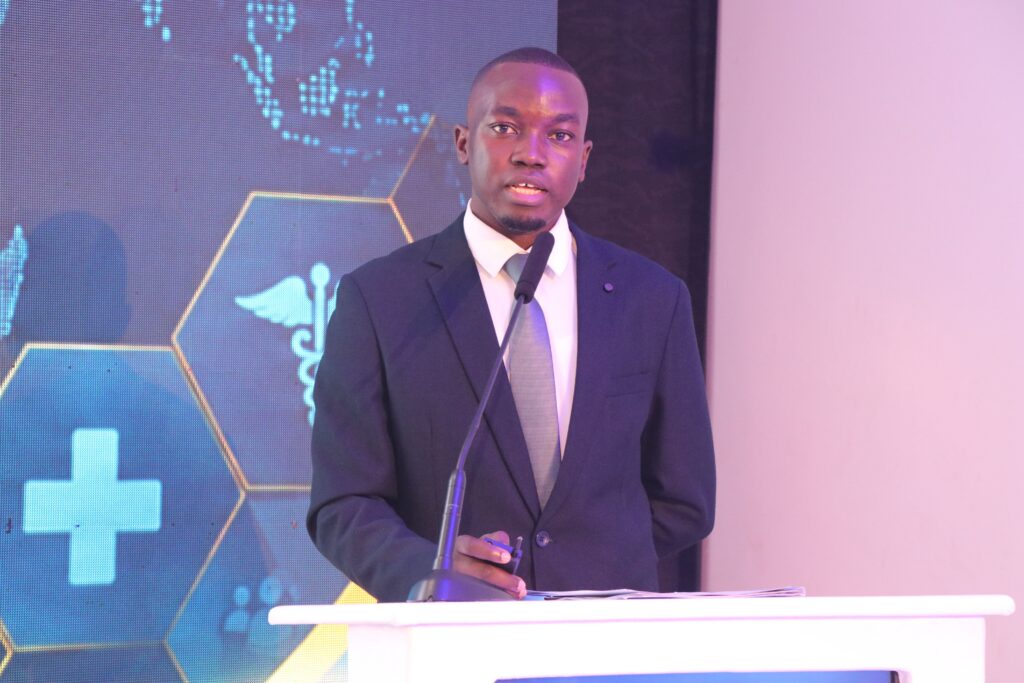
Mr Philemon Okillong
Nonetheless, the number of those travelling to Uganda to receive treatment has grown, an EPRC analysis shows. “Between 2016 and 2024, there has been an increase of foreign patients travelling to Uganda with the reason of obtaining a healthcare service,” said Okillong.
About 68% of the patients originate from the East African region, specifically Kenya and Rwanda, the EPRC analysis shows. The Uganda Cancer Institute has particularly seen a jump of patients from the region seeking treatment. Uganda could export more than just treatment. It could export systems; skills; research such as clinical trials; and digital tools.
What experts say
Dr Aliyi Walimbwa, Principal Planner, Ministry of Health Uganda
“Uganda already possess a centre of excellence in the region: the Uganda Cancer Institute (UCI) – and people come because they know its [potential] but also the quality of services Uganda offers at the Uganda Heart Institute. This is one of the areas we can capitalise on for medical tourism.”
Dr Nixon Niyonzima, Head of research and training at UCI
There has been limited investment not just by Government of Uganda but most governments on the continent in facilities for non-communicable diseases, and specifically cancer care. They have focussed on infectious diseases and very limited investment in NCDs. This means there have been a vacuum for high-quality care for NCDs. The UCI has in the recent past received significant investment from the Government of Uganda which has changed the picture about the quality of services we offer for cancer treatment – from the equipment available, the staff, and the general infrastructure. If we continue to develop, we will take advantage of the entire region [as a leading cancer centre]”
Dr Ivan Kisuule, Deputy Registrar, Uganda Medical and Practitioners’ Council
“We have seen an increase in the number of medical schools in Uganda – producing 1,500 general doctors a year. This shows you that we have the products to export. We want to ensure that the person holding the qualification has the competency to offer the service when they cross borders. One of the things to strengthen is the quality of training. As regulators, we must ensure that the product is good enough to cross borders.”
Ms Brenda Kabasinguzi, Uganda Free Zones and Export Promotions Authority
“The question is no longer whether Uganda has health services to offer to foreign patients. The question now is are we packaging and promoting enough to attract patients for the services we have. We need to purpose our country as a growth industry, put together an export catalogue. We need to look at what we can offer now and market to ensure that we have a clear pathway for the patients ready to come.”
Dr Diana N. Ssewanyana, Aga Khan Hospital
“Ugandans still believe that we can’t do it, yet where we sit as private healthcare providers, we believe that we can do it as a country. We may not be there 100% but again we are not anywhere close to 50% below, meaning that Uganda has demonstrated the ability. The patients are already coming meaning we are already at it. The unfortunate thing is that we don’t even know what is happening in our own country. Where we sit, we see patients coming from Sudan, DR Congo, and patients coming from Canada. The question of quality, cost, and technology comes in.”
Dr Frank Asiimwe Rubabinda Jr, Uganda Medical Association
“The [health professionals] labour export drive needs synergy more than anything. The government must come off their high horses, coordinate with private practitioners and push this agenda. Gone should be the time when people go for conferences and then disappear. We must have an organised labour export [for health workers]. Because we cannot absorb all the doctors, that is why we need to export. But also, we are training for global consumption.”
Mr Rajesh Kumar, Chairman Indian Business Forum
“Uganda needs to identify its unique selling point (USP). India has its own USP. One of the reasons why medical tourism has grown in India, it is because the government really supports the sector. If you go across the world, you will find a nurse from India. When we talk about industries, we are talking about medical devices, clinical trials, and health insurance.”
Featured photo: Experts from both private and public sectors after a panel of discussion during the dialogue.