The twelfth Poverty Reduction and Equity Network (PEGNet) 2022 conference hosted in Kampala strongly called for multidimensional solutions to conflict in Africa, taking into account of the equitable service provision, institutional and governance reform targeting the most underserved people.
Themed, addressing conflict and fragility in developing countries, discussions put a spotlight on key issues that are holding back poor countries from achieving their potential with the aim to find solutions. The conference was held on September 1st and 2nd, 2022 at Protea Hotel.
Dr. Sarah Ssewanyana, the Economic Policy Research Centre (EPRC) Executive Director, said “this year’s theme on addressing conflict and fragility in developing countries is timely and speaks to what is happening now at the global level and international level.”
“Fragility and conflict are a global challenge that continues to limit our ability to achieve Sustainable Development Goals (SDGs) of getting rid of extreme poverty and attaining peace,” she said.

Participants at the 12th PEGNet 2022 Conference in Kampala
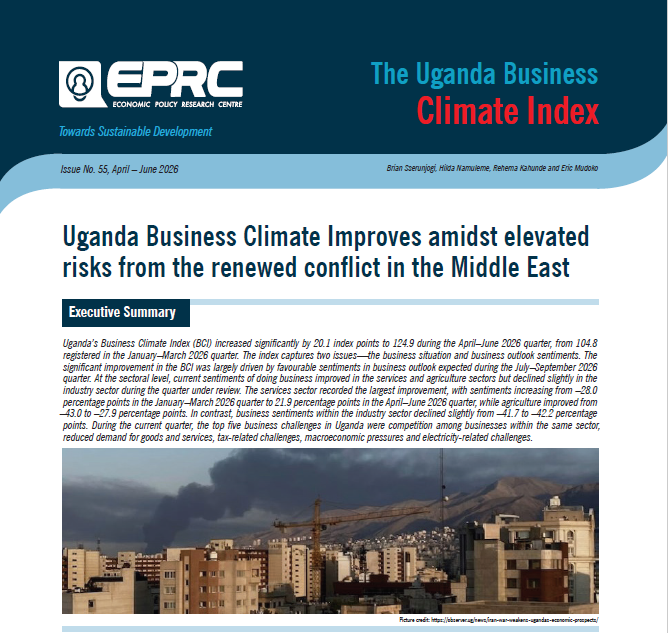
It is estimated that fragile countries host 23% (1.8bn) of the world population, of which 75.5% live in extreme poverty. In Africa, conflicts are surging again – with countries like DRC, Sudan, Central African Republic (CAR), Somalia, and Ethiopia, among others embroiled in different conflicts. In the Sahel region, some 24 million Sahelians are in need life-saving assistance and protection, says a 2020 overview of the humanitarian need of the area.
“Fragility and conflict landscape have become too complex over the years. There has been a shift from inter-state to intrastate conflicts. The dynamic nature of fragility therefore calls for urgency to generate and reflect on the new and emerging evidence to address this challenge esp. in developing countries,” Ms. Ssewanyana said.
Peter Krahl from the German Federal Ministry for Economic Cooperation and Development said the “international environment has drastically changed with conflict and fragility returning high on the global agenda and therefore valuable that you have chosen this topic for this year’s conference in Kampala.”
Diverse topics were discussed in the two days of the conference, including migration and the refugees’ question, climate change, investment and businesses recovery and sustainably amidst new challenges like covid-19, conflicts in the global north, and the role of religion as in development agenda and ending conflict in the world.
While addressing the conference, Dr. Amma Panin of the Universite Catholique de Louvain said research has shown that religious institutions have become key rallying avenues and have been shown to be effective raising funds, sometimes better than country revenue bodies. “There is coordination in terms of having shared objectives that members work towards. The other is shared network and they see each other and can monitor each other’s actions.”
She added that Churches were sometimes more effective than agricultural extension networks.

Dr. Sarah N. Ssewanyana and Mr. Rainer Thiele

Rainer Thiele, the head of PEGNET development research, said the conference deviated from normal academic conferences and aimed to foster cooperation between researchers from global north and south.
Featured picture credit: BBC. Caption: DRC refugees fleeing conflict