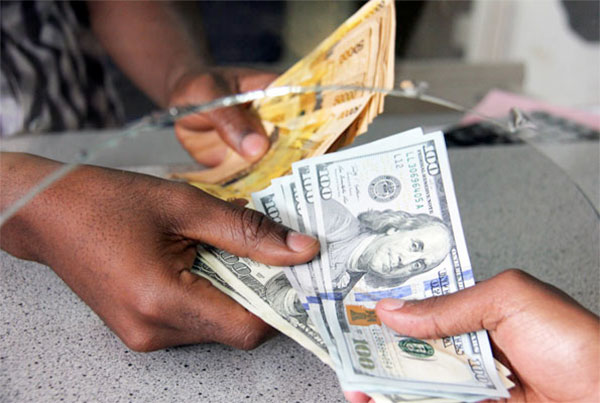
For many Ugandan households, falling ill is more than a health crisis. It is a financial emergency. According to the World Bank, out-of-pocket healthcare costs push nearly one million Ugandans into poverty every year.
Although Uganda has expanded access to health facilities over the years, out of pocket (OOP) healthcare expenditure remains one of the country’s under-discussed drivers of household vulnerability. Falling ill often means falling deeper into poverty. Reports show that Ugandans pay between 30-40 percent of health costs out of pocket, shouldering a significant share of healthcare costs, often at the expense of food, education, savings, and productive investments.
A report on Uptake of Insurance Services in Uganda (2018) showed that only one percent of Ugandans have formal health insurance coverage. Uganda’s National Health Insurance Scheme has remained largely a policy debate with no tangible results. In the absence of insurance coverage, households continue to rely on direct cash payments whenever illness strikes, exposing them to debt, asset depletion, and poverty.
Uganda has fallen behind peers that have made notable progress in financial risk protection through health insurance expansion. Rwanda has achieved near-universal Community-based Health Insurance Coverage while Kenya and Tanzania have expanded social health insurance mechanisms, although coverage gaps remain.
Expensive to fall ill
Despite government efforts to provide free public healthcare, households continue to spend heavily from their own pockets on medicines, diagnostics, transport, consultation fees, and emergency treatment. According to UNICEF, out-of-pocket payments constituted approximately 34 percent of the total health expenditure in FY (2021/22).
A study by Muttamba et al (2020) found out that up to 48.5 percent of households borrowed, used savings or sold assets to defray TB costs and more than half (53.1 percent) of TB affected households experienced TB-related costs above 20 percent of their annual household expenditure, with the main cost drivers being non-medical expenditure. Behind these statistics are difficult choices made every day by ordinary Ugandans. “Should money meant for school fees buy medicine?”, “Should savings cover transport to a referral hospital?”
Delayed treatment
According to UNICEF, financial constraints, driven by high out-of-pocket costs and limited public funding, severely affect treatment-seeking behaviour in Uganda. Many households postpone visiting health facilities because they cannot immediately afford consultation fees, medicines, or transport costs. Delayed treatment often turns manageable illnesses into expensive emergencies.
Healthcare costs do not affect all Ugandans equally. Socioeconomic status, education level, employment status, and geography significantly shape access to quality healthcare services. An Economic Policy Research Centre (EPRC) study found that insurance uptake is strongly tied to income with 9.5 percent of the wealthiest Ugandans utilize health insurance, compared to just 2.4 percent of the poorest citizens.
Uganda’s health financing system remains heavily dependent on household spending and donor support, raising concerns about sustainability and equitable access to care. Recent estimates of 34.1 percent means more than one-third of healthcare costs are borne directly by households.
Government health spending remains low at approximately (7.3-8.1) percent of the national budget in (FY 2026/27), far below 15 percent recommended by WHO under the Abuja Declaration (2001). Donor funding also plays a major role, contributing about 40-45% of total health expenditure, especially in key programmes like HIV/AIDS, malaria, and immunisation.
While this supports service delivery, it creates vulnerability to shifting external priorities. Without stronger domestic financing and protection mechanisms, many Ugandans will continue facing a reality where illness drives debt, asset loss, and poverty.
Policy recommendations
With Uganda still spending about 34.1% of health expenditure through out-of-pocket payments, improving financial protection mechanisms remains urgent. Ultimately, health must be treated not only as a social service but also as an investment into a healthier population to drive higher labour productivity, better education outcomes, and stronger household resilience.
Uganda should, therefore, prioritize affordable and equitable health financing by operationalising an inclusive national health insurance system, particularly for informal sector workers who make up the biggest chunk of labour force and remain largely uncovered.
Government should also increase domestic health financing to reduce medicine stock-outs, improve staffing levels in underserved facilities, and strengthen primary healthcare delivery, especially in rural districts where access gaps remain wide.