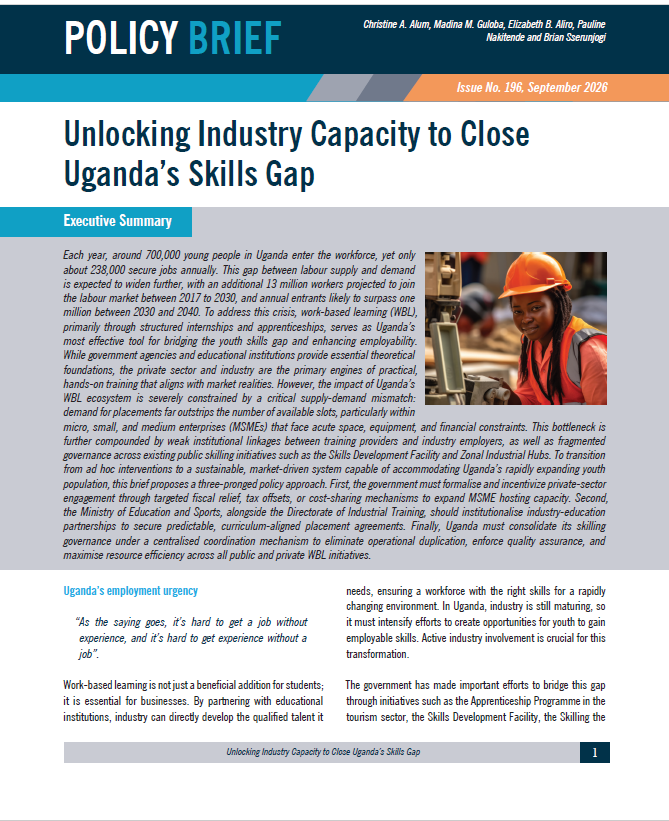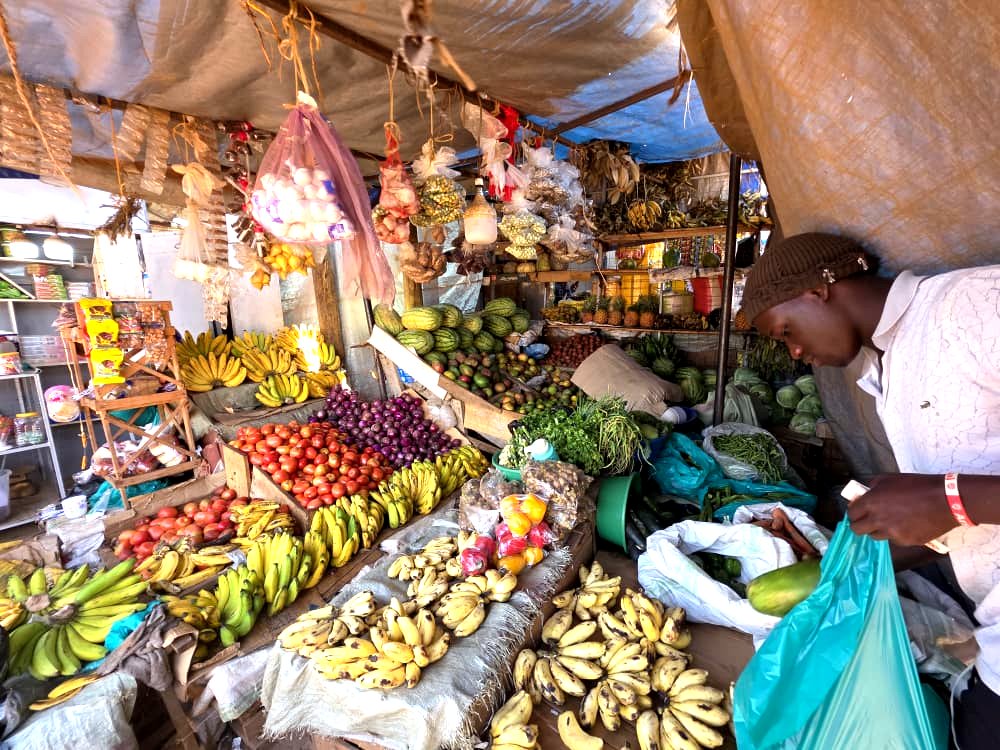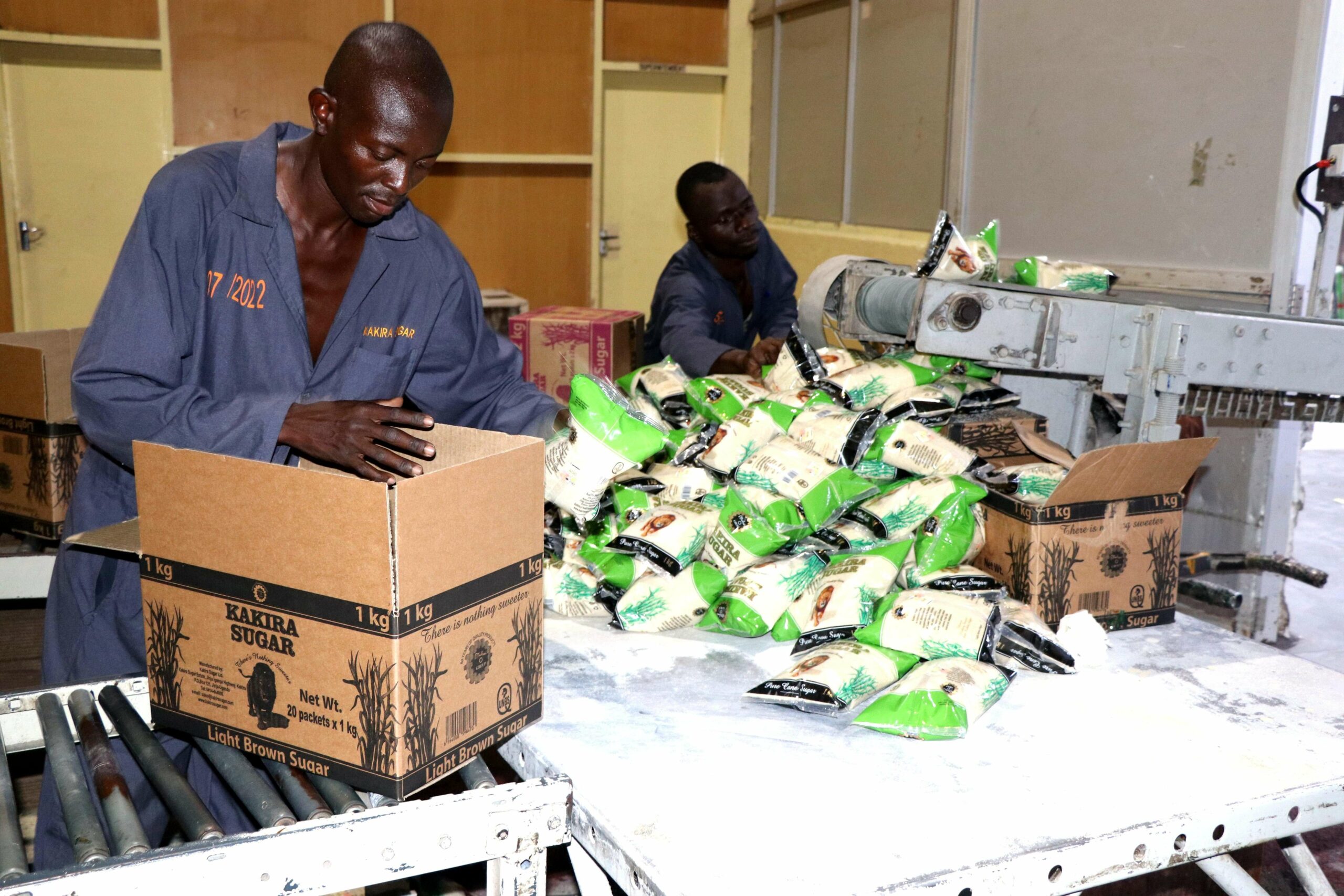
On May 1, 2026, Uganda joined the rest of the world to mark the International Labour Day 2026, essentially a day for safety and health at work. For millions of Ugandans, the hustle didn’t stop. They still march on to farms, markets, salons, kitchens, shops, construction sites, and hotels for the daily bread.
In a country with high unemployment and limited formal job opportunities, any form of employment may feel like a victory, but is it decent? Does it provide more than just a paycheck? Does it support your health, dignity, and future?
This article explores what makes a job decent, how you can assess your own work situation, and why improving job quality is crucial for Uganda’s development.
What Is Decent Work?
The International Labour Organization (ILO) introduced the concept of decent work, which encompasses fair income, job security, safe working conditions, equal treatment, social protection, and a voice in the workplace. In 2015, the United Nations adopted Sustainable Development Goal 8 (SDG 8) to promote inclusive and sustainable economic growth, full and productive employment, and decent work for all.
The Ugandan government recognises the importance of job quality. The National Development Plan IV (NDP IV) specifically targets increasing productive employment for the youth, recognising their role in propelling economic progress. Decent Work Country Programme (DWCP III), which was launched in May 2025, also reinforces Uganda’s commitment to social justice and decent work.
How Can You Tell If Your Job Is Decent?
Together with Enabel, the Belgian agency for international cooperation, and using a framework developed by HIVA–KU Leuven and Uganda’s Economic Policy Research Centre (EPRC), a tool was created to help workers assess the decency of their jobs. This tool highlights eight key dimensions of decent work. Ask yourself the following:
1. Employment Security
(i) Do you have a written contract outlining your terms of employment? (ii) Can you be dismissed at any time without notice or explanation? (iii) Is your income stable and predictable in the months ahead?
2. Labour Market Security
(i) Have you experienced periods of unemployment over the past year? (ii) Is your work available regularly throughout the year, or only seasonally? (iii) Have you had access to job-related training to improve your skills? (iv) If you lost your current job, how easy would it be to find another one with similar or better income?
3. Income Security
(i) Is your income enough to meet your essential needs like rent, food, transport, and school fees? (ii) Are you able to save money regularly? (iii) Do you receive your salary on time and in full? (iv) Does the pay you receive fairly reflect the effort and value of your work?
4. Social Protection
(i) Do you have access to health insurance, a pension scheme, or paid sick leave? (ii) Are you covered in case of a workplace injury or accident? (iii) If you lost your job, could you support yourself and your family for at least two months without income?
5. Work-Life Balance and Well-being
(i) Do you work long hours without adequate rest or time for yourself or your family? (ii) Do you get at least one full day off every week? (iii) Are you often physically exhausted or mentally stressed after work? (iv) Overall, are you satisfied with your current working conditions?
6. Fair Treatment
(i) Have you ever faced abuse, harassment, or bullying while at work? (ii) Are men and women paid equally for the same work in your workplace? (iii) Are children involved in tasks that are hazardous or inappropriate for their age? (iv) Are you treated with dignity and respect by employers, supervisors, and clients?
7. Occupational Safety and Health
(i) Are you exposed to dangerous chemicals, loud noise, extreme temperatures, or unsafe tools without protection? (ii) Do you have access to clean drinking water, meals, and toilet facilities at your workplace? (iii) Have you received proper safety training and equipment for your job? (iv) Has your job affected your physical health, such as causing backache, fatigue, or injury?
8. Voice and Representation
(i) Are you a member of a trade union, cooperative, or workers’ association? (ii) Can you freely raise concerns or complaints about your job without fear of punishment or dismissal? (iii) Has your workplace been inspected by labour authorities or safety regulators? (iv) Do you feel that your concerns are listened to and addressed seriously?
If you answered “no” to most questions, your job may not be decent, and you are not alone. Many workers across Uganda, from farms and hotels to clinics and offices, face similar struggles. Recognising these issues is the first step to advocating for fairer, safer, and more dignified work for all.
What Needs to Change?
Uganda should prioritise creating more jobs and improving job quality. The government should enforce labour laws, expand social protection, and invest in skill development. Employers need to provide contracts, fair pay, and safe working conditions while treating employees with dignity. Workers should organise, know their rights, and advocate for themselves through unions, cooperatives, or associations.
The writers work with Economic Policy Research Centre