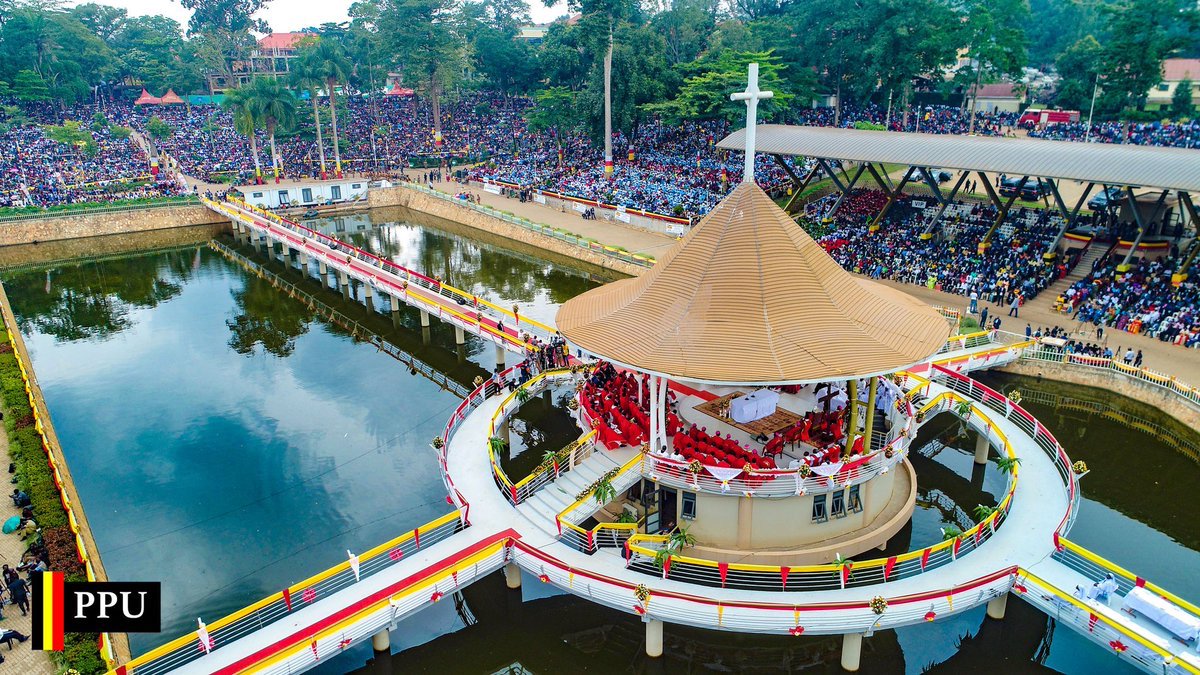
Unlike in previous years, June 3rd, 2026, passed with unusual quiet in Uganda. The annual Uganda Martyrs Day celebrations, which bring the faithful from across the country and Africa continent to Namugongo Shrine, had been called off.
The decision was informed by Ebola-related public health concerns, linked to the outbreak in eastern Democratic Republic of Congo. According to State House Uganda, this followed consultations between President Yoweri Kaguta Museveni, the National Epidemic Response Task Force and religious leaders. The President explained that Uganda receives pilgrims from eastern DRC and that a large gathering could increase the risk of disease transmission.
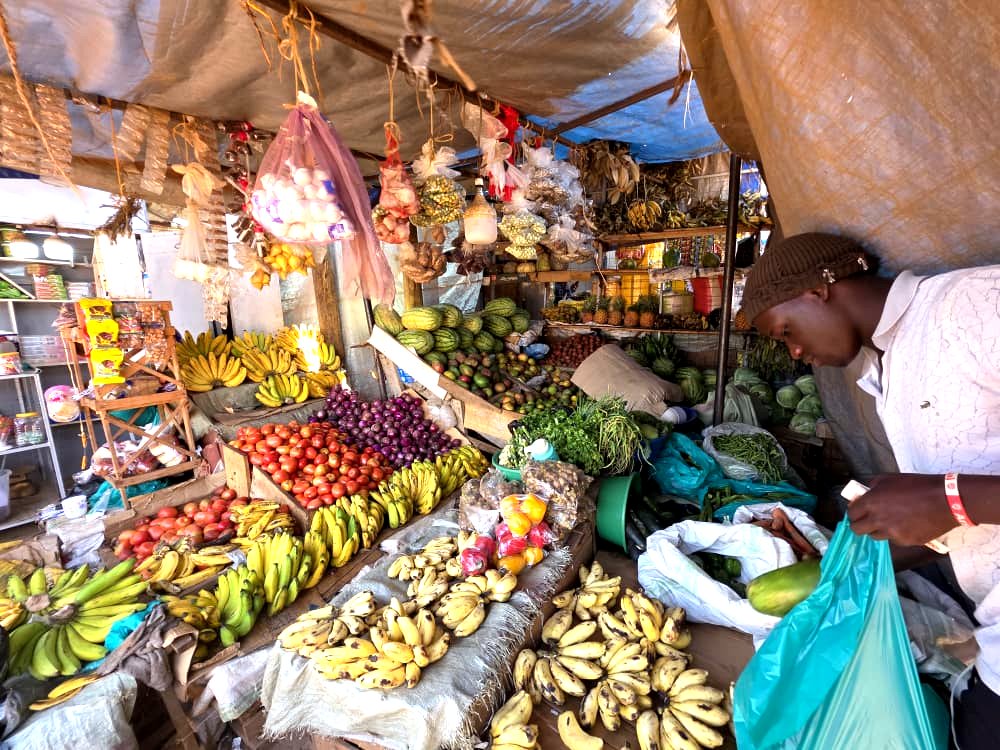
The day has become an important feature of Uganda’s economy, supporting the wider service economy through the transportation of worshippers, food vending, hotels and the general hospitality industry, and small-scale trade.
An Important Day
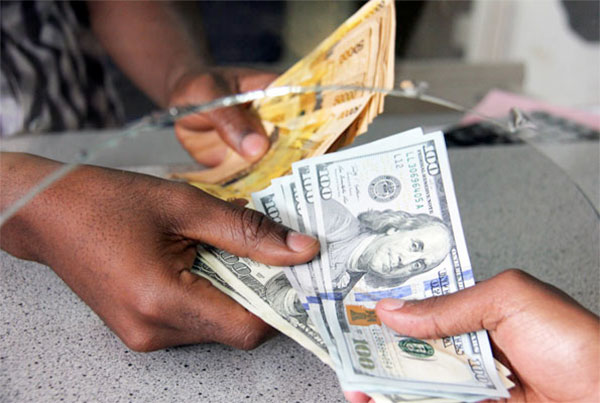
In 2025 reports on the Visitor and Business Survey during the Namugongo Martyrs’ Day celebrations estimated that visitor expenditure generated between Shs29.67bn and Shs43.75bn. This was higher than the 2024 estimate of between Shs22.8bn and Shs38.1bn. The same report indicated that Namugongo attracted 813,945 visitors in 2025, with 84.4% being Ugandan nationals and 15.6% foreign nationals.
Foreign pilgrims came from Tanzania, Kenya, Rwanda, the Democratic Republic of Congo and Angola. Spending was concentrated in basic services: food and beverages accounted for 46% of expenditure, transport 24%, while accommodation accounted for only 6%. These figures show that Martyrs Day benefits not only formal tourism operators but also ordinary households and informal businesses.
Public Health Concerns
Ebola remains an economic threat because it affects both lives and livelihoods. As of 17 June 2026, the Bundibugyo Ebola outbreak had reached 837 confirmed cases and 196 deaths in the DRC, while Uganda had recorded 19 confirmed cases, including two deaths. Uganda’s cases were mainly linked to cross-border movement, with 14 imported cases and five local infections. This made the postponement of the 2026 Uganda Martyrs Day celebrations at Namugongo a necessary public health measure, especially because the event normally attracts pilgrims from Uganda and neighboring countries, including DR Congo.
Uganda’s early response helped to control the risk. By 10 June 2026, President Museveni reported that Uganda had gone five days without a new Ebola case, saying the “fire” of Ebola was dying down and no new cases had been reported since 5 June. Measures such as postponing Martyrs Day, restricting large gatherings, contact tracing, screening, isolation and public awareness helped prevent mass transmission. Although the postponement reduced short-term earnings for the business community, it protected Uganda from a bigger economic shock that could have damaged tourism, trade and public confidence.
The economic impacts of Ebola are devastating for economies. During the 2014–2016 West African Ebola epidemic, Guinea, Liberia, and Sierra Leone lost an estimated US$2.8 billion in GDP due to reduced trade, declining tourism, lower investment, and labour market disruptions. The outbreak demonstrated how disease outbreaks can significantly affect economic activity through both direct health impacts and public fear.
Investing in disease prevention is cheaper than managing a widespread outbreak. Measures such as surveillance, screening, contact tracing, risk communication and community sensitization reduce transmission while protecting tourism, trade and livelihoods. The World Bank notes that pandemic preparedness financing helps countries strengthen surveillance, laboratories, emergency coordination and community engagement. Uganda’s containment of the 2022 Sudan Ebola outbreak, which ended with 164 cases and 77 deaths, also shows the value of rapid response systems.
Conclusion
Uganda Martyrs Day remains one of the country’s strongest spiritual and tourism assets. The 2025 spending figures prove that it generates income, supports jobs and strengthens faith-based tourism. However, the 2026 postponement reminds us that economic prosperity depends on public health security. Protecting pilgrims from Ebola is therefore also a way of protecting Uganda’s tourism, trade and community livelihoods. In the end, safeguarding lives is not separate from safeguarding the economy. It is the foundation upon which lasting prosperity stands.
Featured photo: PPU