The business community in western Uganda has pled with the government to take swift action against persistent challenges crippling the day-to-day operations of local enterprises.
The call was made during a stakeholder engagement in Fort Portal City, where the Economic Policy Research Centre (EPRC) disseminated the outcomes of the January–March 2026 Business Climate Index (BCI) – a quarterly survey that tracks perceptions of doing business across the country.
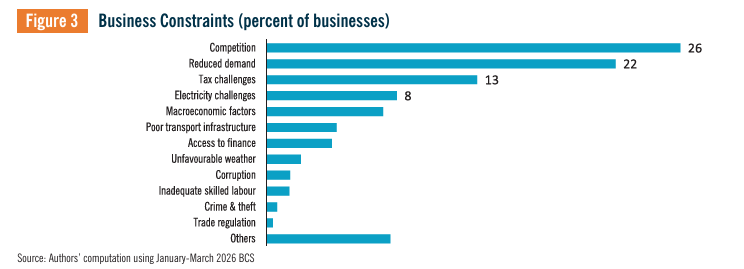
The latest survey, which interviewed over 1,000 businesses, identified intense competition, subdued consumer demand, high taxation, and electricity supply challenges as the top hurdles affecting enterprises in the first quarter of 2026.
A Cycle of “Recurring Issues”
During the workshop, held at the Kalya Hotel in Fort Portal, entrepreneurs pointed out that while the BCI accurately captured the realities on the ground, many of these grievances are repetitive. They warned that the survey’s findings would only be meaningful if the government moved past documentation and actively implemented solutions. On electricity, businesses indicated that they found challenges with both new connections and reliability.
Mr. Ferdinand Atwongere, a food processor based in Kabarole, argued that the government needs to adopt a more “pro-business” stance, which he feels is currently lacking.
“Government policy towards businesses in terms of taxation, regulation, and access to capital leaves a lot to be desired,” Atwongere said. “Right now, businesses are on their own and must find their own ways to survive and grow.”
Atwongere also noted that subdued demand is rooted in low household incomes across the region.
“I have a neighbour selling just twenty litres of milk per day, but the local community does not even have the financial capacity to buy those twenty litres,” he said. He urged the government to design and implement targeted initiatives aimed at boosting household incomes to naturally stimulate market demand.
BCI Results
According to the BCI report, the general business situation declined in Q1 (January-March 2026), largely driven by external shocks from the ongoing Middle East crisis involving the US, Israel, and Iran. Sixty percent of surveyed businesses reported being negatively impacted by the geopolitical conflict through skyrocketing fuel, shipping, and freight costs.
“Among the businesses affected, nearly half (48.0 percent) reported increased fuel costs as the major consequence of the war, signalling the direct transmission of global tensions onto domestic fuel prices,” the report noted. “Relatedly, 35.3 percent of business executives cited increased shipping and freight costs as the second major impact, owing to supply chain and logistics disruptions that have driven up the overall cost of doing business.”
Read the report: Middle East Conflict Affects the Business Environment in Uganda
The negative sentiment echoed across all major sectors, with agriculture suffering the most severe downturn. The agricultural sector’s business sentiment plummeted to -43.0 percent in the January–March 2026 quarter, down from a positive 19.1 percent in the final quarter of 2025. This steep decline was primarily triggered by rising fertilizer costs, high fuel prices, and war-induced import limitations.
Beyond agriculture, upcountry retailers expressed frustration over unfair market competition. Business owners highlighted a growing trend where manufacturers and wholesale importers bypass traditional supply chains to sell directly to last-mile consumers, undercutting local retailers’ bottom lines.
The findings were presented by Ms. Rehema Kahunde, a Research Analyst at the EPRC.
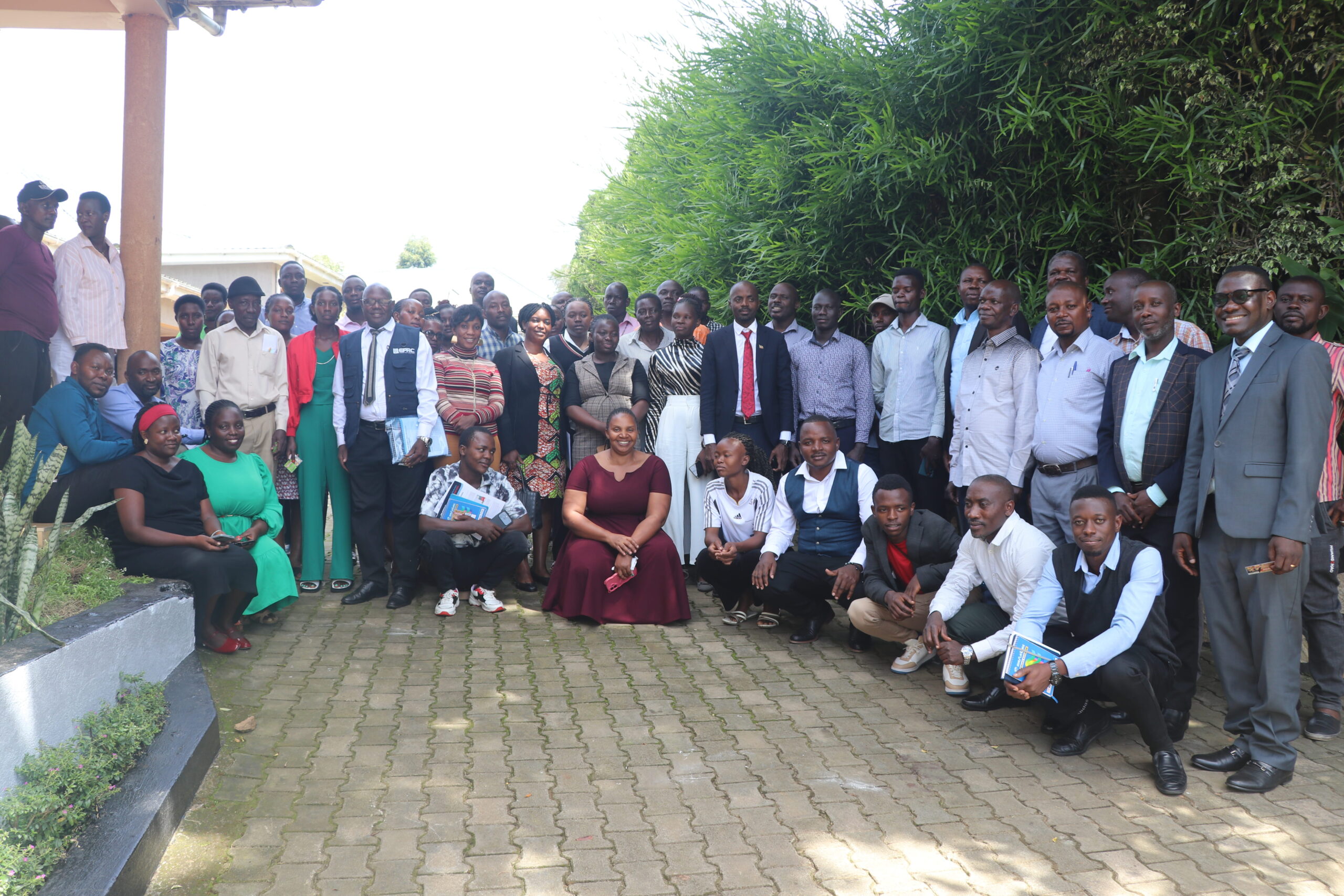
The regional dissemination workshop drew a diverse crowd of business owners from across numerous western Uganda districts, including Kasese, Mbarara, Ntungamo, Kanungu, Masindi, and Hoima.
The event was officially opened by the Fort Portal City Deputy Resident City Commissioner (DRCC), Mr. Emmanuel Businge.
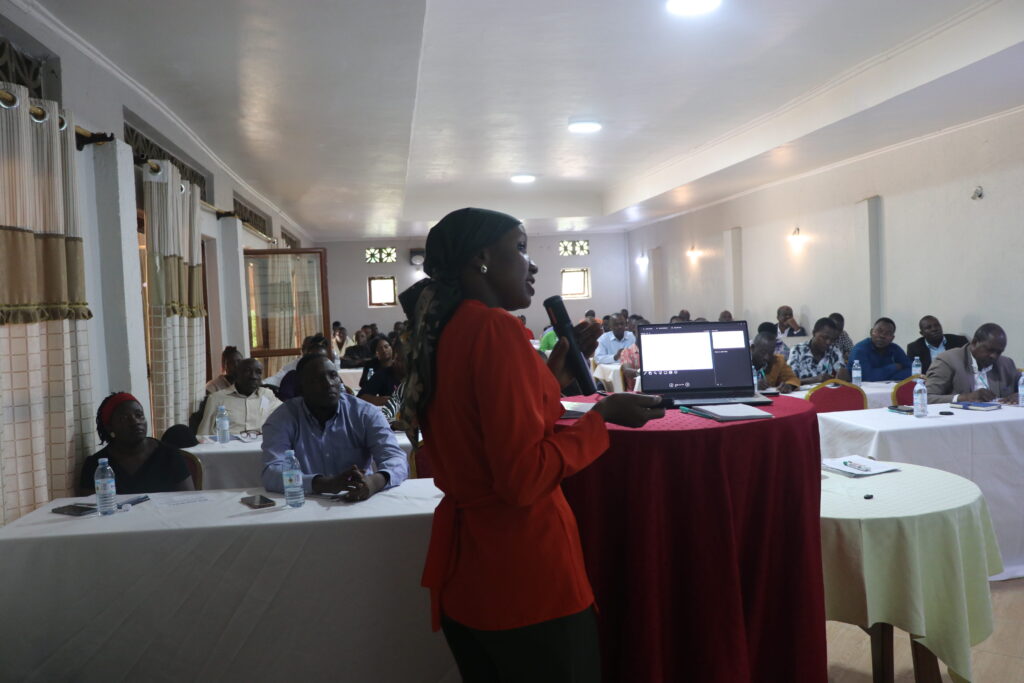
Ms. Rehema Kahunde presenting outcomes of the January – March 2026 Business Climate Index (BCI) survey