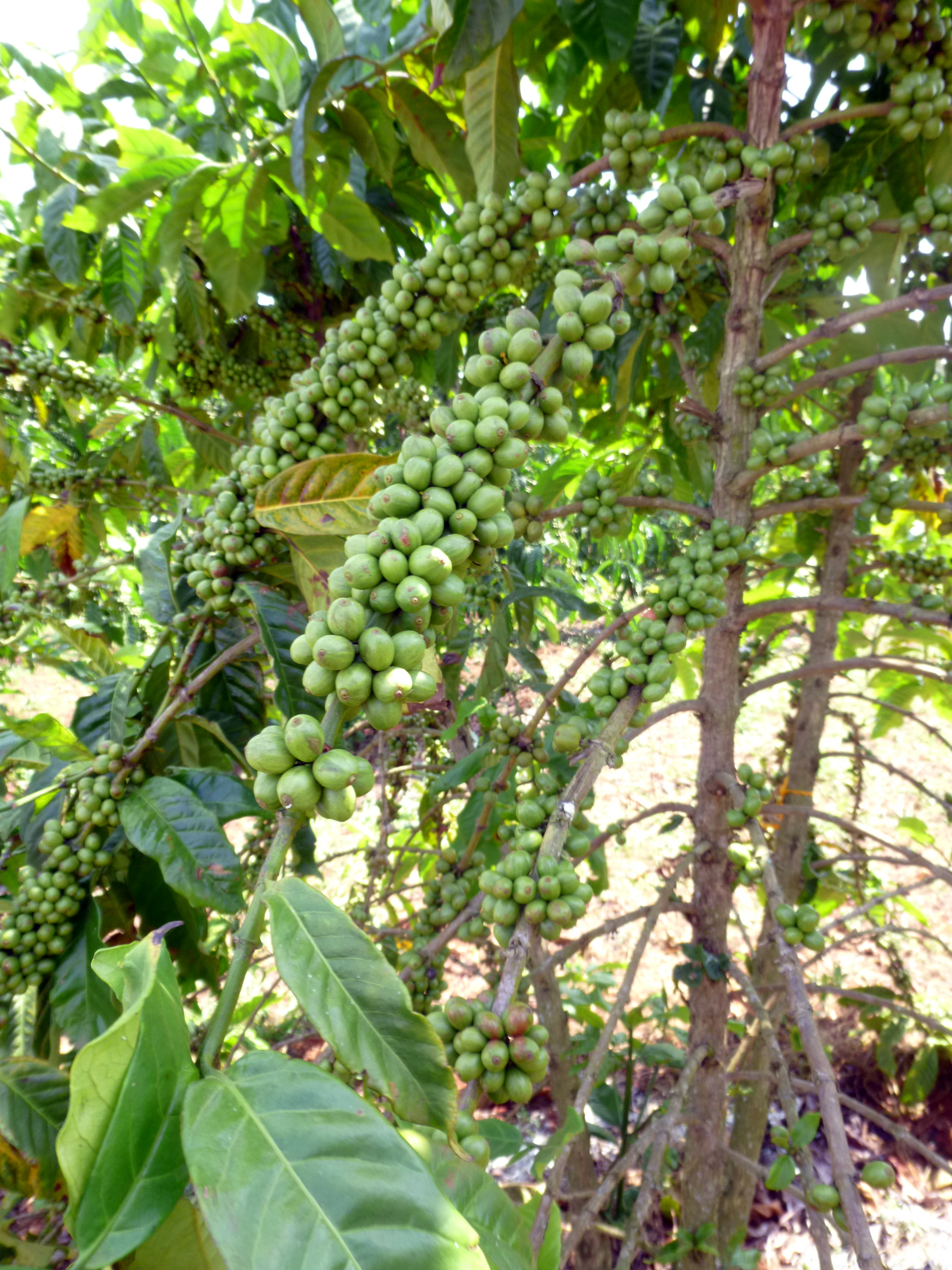
Coffee is one of Uganda’s top foreign exchange earners, closely behind tourism and diaspora remittances. Last year, according to the Uganda Coffee Development Authority (UCDA), the cash crop earned Shs 2.5 trillion ($718.6m) from 6.8 million 60kg bags of coffee exported. This is more than the Shs .2 trillion allocated to agriculture sector in the 2023/24 budget.
The commodity also directly supports over 1.8 million farming families in 126 coffee-growing districts.
In 2021, government introduced the idea to merge and rationalize Government Agencies, Commissions and Authorities to reduce public wasteful expenditure. Ministry of Finance anticipates that this plan will result in annual savings of at least 800 billion Shillings – funds that can then be spent on social services.
UCDA is one of the authorities to be affected. Would the dissolution of UCDA be a wise decision given the economic importance of coffee to the country? The plan is to dissolve the authority and have its roles performed by the Ministry of Agriculture, Animal Industry and Fisheries (MAAIF). This will likely have far-reaching effects on the coffee sub-sector and pullback the growth the coffee industry has enjoyed in the last two decades.
The country is likely to lose steam on the sub-sector’s revamping agenda – the core function of UCDA’s formation in 1991. At its establishment, coffee exports had stagnated due to old and low-yielding trees and farmers had lost interest in the cash crop because of low returns then.
Numerous challenges, such as poor-quality harvest and marketing resulting from the collapse of cooperatives bogged the industry. Cooperatives were crucial to mobilize and sensitize farmers. A weak regulatory framework and limited extension services added to the difficulties. The Coffee Wilt Disease (CWD) wiped out nearly half of the coffee farms.
During the UCDA era, coffee production has dramatically improved from 2.1 million 60kg bags in FY 1991/92 to over 8.1 million 60kg bags annually, making Uganda the eighth leading producer globally. UCDA supported the private sector come up with high-yielding and coffee-wilt resistant seedlings. It distributed millions of healthy planting materials, financed coffee research, and trained coffee extension workers to support farmers.
Consequently, UCDA’s efforts have led to the development of at least ten high-yielding and wilt-resistant coffee varieties and provided training to specialized coffee extension workers to cover all 126 coffee districts. Consequently, Uganda’s coffee has seen a quality improvement, and it currently holds the third position on a global scale.
Dissolving UCDA means substantial gains made in revamping the coffee sector will likely be lost.
With the Programme approach in the current National Development Plan III, the merging of entities implies that the different coffee value chain activities will be funded/performed under different ministries. For instance, production will be under MAAIF, while processing and marketing will be under the Ministry of Trade, Industries and Cooperatives (MTIC). Even if MAAIF wished to absorb all the UCDA staff, they would be distributed among different ministries, such as MTIC for processing and marketing.
This scattering of key staff would be detrimental to smooth coordination of the various value chain activities. Review reports of Uganda’s National Development Plans (NDPs) have consistently cited working in silos as one of the major hindrances to successful implementation of government programmes.
Notably, the scattering of the value chain activities will leave some poorly funded while others unfunded. For example, the 2023/24 budget had no provision for facilitating extension workers to do their job. This means that UCDA-trained coffee extension workers would be redundant.
UCDA has been successful in coordinating and funding all the value chain activities because they are all under one roof.
Additionally, scattering the value chain activities would undermine the effective operationalization of the National Coffee Act (2021), which UCDA steered, hoping it would also give it an extra mandate to regulate on-farm activities. The Act is likely to be operationalized ineffectively just like the Sugar Policy 2010, which has led to poor performance of the sugar sub-sector.
In 2013, the Kenyan government merged the country’s Coffee Board with the Agriculture Food Authority. Ten years later, Kenya’s production has reduced by 69.2%. Apparently, Kenya is in the process of giving back autonomy to the Coffee Board.
Dissolving the authority is a bad idea and will reverse the gains in revamping the coffee sector. In addition, MAAIF will find it hard to coordinate the different coffee value chain activities, which are likely to have far-reaching effects on the agro-industrialization agenda.
This article was first Published in the New Vision Newspaper