Uganda has just proved that it pays to protect trees. In October 2025, the country became the first African nation to receive a USD 31 million results‑based grant from the Green Climate Fund.
This payout rewarded verified reductions in greenhouse‑gas emissions achieved by slowing deforestation since 2016‑2017. Whereas the grant received limited media coverage, it was a watershed moment for climate finance in poor nations, showing that environmental conservation can unlock substantial investment without the need for expensive loans or traditional aid.
The secret behind the payment is a simple: carbon credits. When a community cuts a forest, the carbon stored in its wood rushes into the atmosphere; when that forest is preserved or restored, the carbon stays locked away. If the amount of carbon stored can be measured, reported, and verified, it can be sold as a credit that pays the keeper of the forest.
Uganda earned its payout under the United Nations‑backed REDD+ programme, which incentivises countries to reduce emissions from deforestation and forest degradation while enhancing forest carbon stocks.
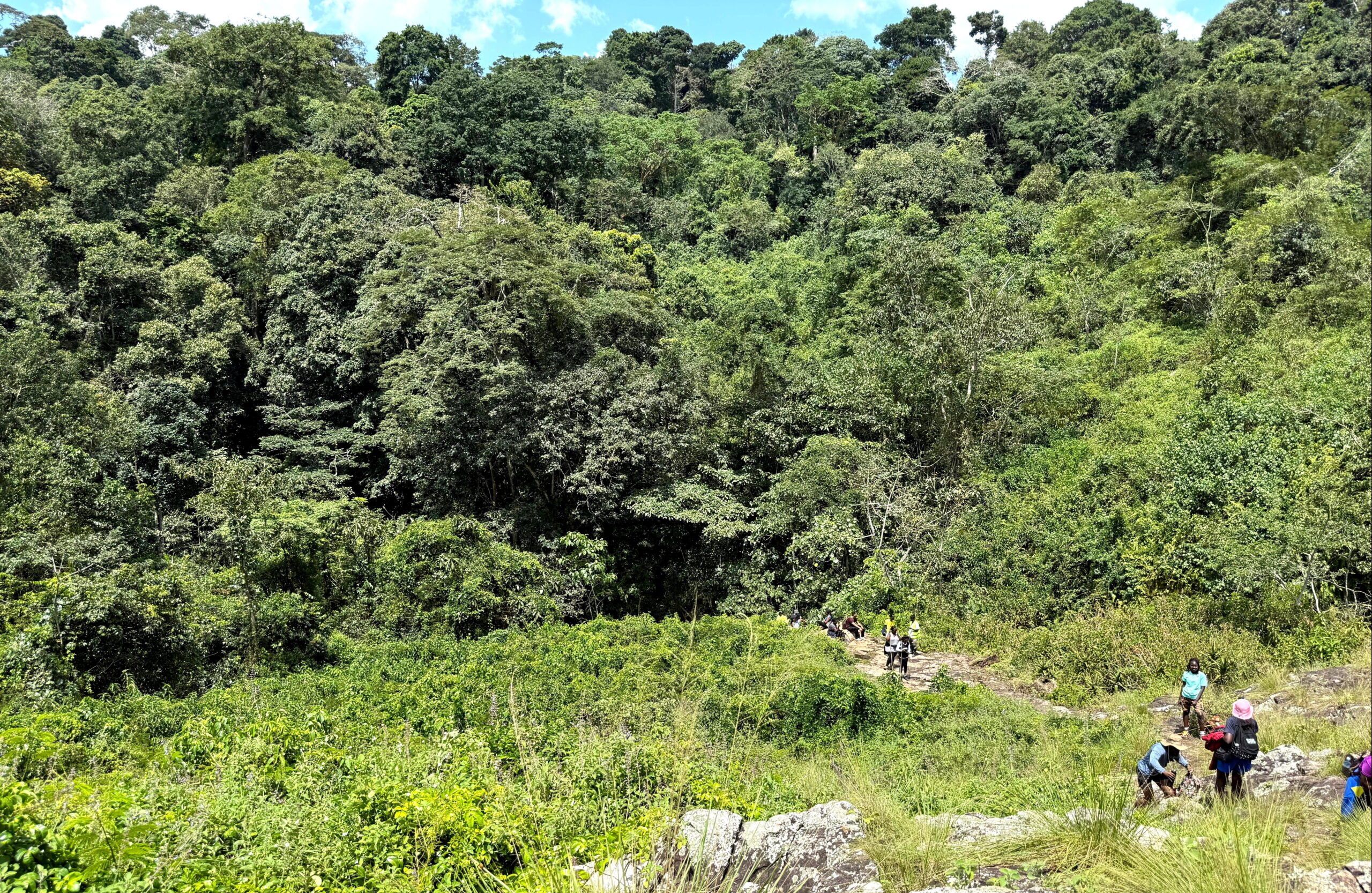
Why does this matter to ordinary Ugandans? The nation’s 2.36 million hectares of forest do far more than just confiscate carbon. They regulate rainfall, protect soils, sustain biodiversity, and provide firewood, building materials, and food for millions of households. Yet about 90 percent of the previous forest loss in the country was driven by agricultural expansion, a pressure that falls hardest on rural families with few alternatives.
Carbon finance changes this narrative on its head. Instead of treating forest protection as a cost, it becomes a source of revenue. If a community guards its forests jealously, it is rewarded. The Ugandan government plans to reinvest the grant into community‑based timber and pole plantations that bring income‑generating trees closer to villages, easing the workload for women while easing pressure on natural forests.
Such projects transform conservation into an investment that “pays back,” and they illustrate how results‑based payments can lower the barrier for developing countries that often struggle to secure upfront climate finance.
Scaling this success, however, will not be easy. Uganda should build strong, credible institutions capable of accurate measurement, reporting and verification (MRV) of emission reductions across forestry, land use and agriculture. Robust MRV systems are the backbone of any carbon‑credit market; without them, buyers cannot trust the numbers, and future payments will dry up.
Also, the country should weave carbon revenue into the broader development agenda. Climate finance should be included into national and sectoral plans such as poverty reduction strategies, energy policies, and food‑security programmes to support rural energy transitions, climate‑smart agriculture and sustainable land management. Public‑private partnerships can amplify impact, but the state must provide the policy guidance toward climate‑positive outcomes.
Communities need realistic, affordable alternatives to forest clearing. Scaling up timber and pole plantations is one pillar, but it must be accompanied by affordable clean‑cooking technologies that cut firewood demand, such as improved cookstoves and alternative fuels. Agroforestry and other sustainable agricultural practices can boost yields without pushing the frontier of forests further into farmland. These measures address the root cause of deforestation: agricultural expansion.
Finally, no technical solution will survive without people who understand it. Many Ugandans still lack a clear picture of how carbon credits work and why they matter. Investing in locally relevant awareness campaigns and capacity‑building programmes will empower communities, improve accountability, and foster long‑term ownership of climate action.
Uganda’s $31 million reward is more than a financial windfall; it is a proof‑of‑concept that results‑based climate finance can be a viable development tool for the poorest nations. If the government can strengthen monitoring, reporting and verification, embed carbon revenues into national policy, and deliver community‑focused alternatives to deforestation, the REDD+ model could be expanded.
Uganda’s next chapter will be determined by how wisely it transforms the money into lasting forest protection, cleaner energy, and stronger livelihoods, not by the grant’s size.
Ms. Christine Alum is a research fellow at Economic Policy Research Centre (EPRC)
This article was first published in the Daily Monitor on January 21, 2026