In January, Uganda’s fight against HIV/AIDS entered a period of deep uncertainty. The United States Agency for International Development (USAID), which had historically funded up to 80% of the country’s HIV/AIDS programs worth $350 million, abruptly withdrew its support following a shift in U.S. foreign policy. This decision has sent shockwaves across Uganda’s health sector, threatening to unravel decades of progress and leaving about 1.42 million Ugandans who rely on antiretroviral therapy (ART) in limbo.
USAID’s contribution to Uganda’s HIV response has been transformative. It funded essential healthcare infrastructure, from electronic medical record systems and laboratory construction to training programs for nurses and lab technicians. It also supported prevention programs like Safe Male Circumcision, which helped raise national coverage from 26% to 43%, and comprehensive school-based campaigns that contributed to a dramatic reduction in HIV prevalence from nearly 30% in the 1990s to under 6% by 2018.
Furthermore, data from the Uganda Aids Commission indicates that annual new infections declined from 97,00 in 2010 to 38,000 in 2023, while the deaths declined from 53,000 to 20,000 in the same period Thanks to these efforts, AIDS-related deaths fell by over 60%.
However, the future of USAID and related development programs is uncertain, clouding the path forward. While the specifics of how and when these reductions will be implemented remain unclear, one thing appears certain: the current U.S. administration is steadfast in its intention to scale back foreign aid. This policy shift has triggered concern particularly in countries like Uganda, where American assistance has long supported vital HIV/AIDS services.
The withdrawal of USAID funding has the potential to cause a ripple effect across Uganda’s HIV/AIDS response system, resulting in critical disruptions that threaten to undo decades of progress. UNAIDS Executive Director Winnie Byanyima has warned that funding cuts could lead to an additional 2,000 new HIV infections daily and over 6 million deaths over the next two years. One of the most alarming consequences has been treatment interruptions due to a reliance on US funding to distribute treatment to lower health facilities according to UNAIDS. As a result, 700,000 HIV-positive patients who are receiving lifelong ARV therapy through US aid face the risk of defaulting on their treatment regimens, eroding the 119,560 lives saved from HIV/AIDs related deaths.
Community outreach programs, school-based HIV education initiatives, and adolescent-centered programs such as DREAMS, which aim to reduce infection rates among vulnerable people groups such as teenagers and sex workers, may see their funding slashed or completely withdrawn. This may result in the reduction in availability of key prevention mechanisms such as PrEP and PEP which have helped curb the spread of the HIV virus. These setbacks have the potential to be especially damaging in rural and peri-urban hot spots where HIV prevalence remains stubbornly high. In addition, the health workforce and infrastructure could come under pressure.
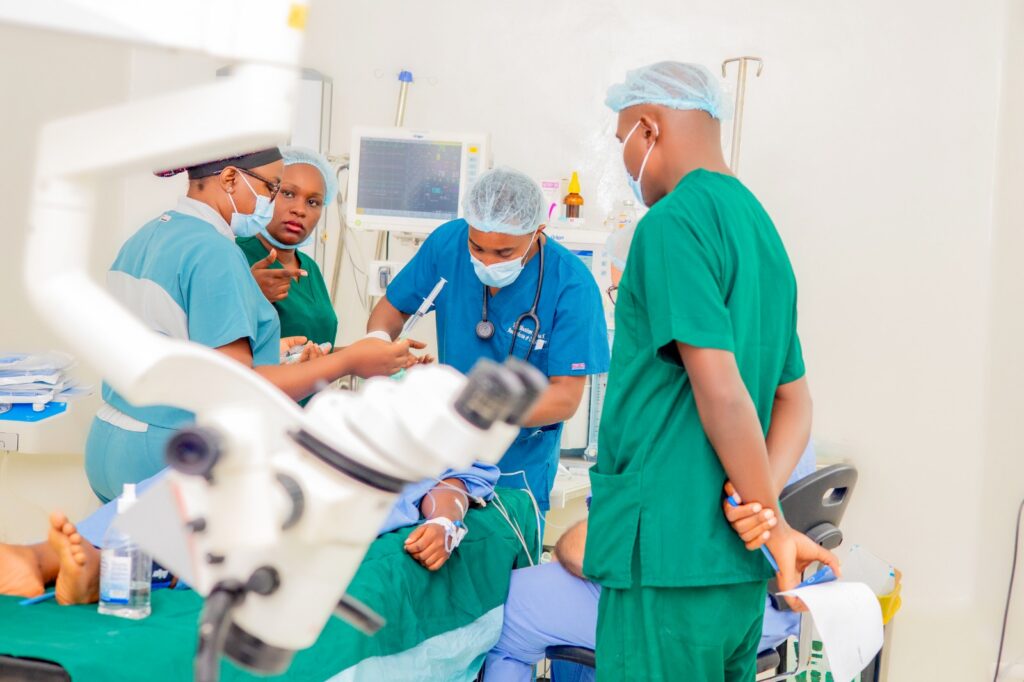
Training programs for nurses, midwives, and laboratory technicians have been abruptly suspended, while planned upgrades to district hospitals and diagnostic laboratories have could be indefinitely postponed, straining an already fragile and overstretched healthcare system even further. Furthermore, there remains concerns about whether US-funded health workers will be integrated into the government’s payroll thus maintaining their crucial human resource.
Uganda’s heavy reliance on USAID funding has exposed deep vulnerabilities in its systems. When foreign dollars flowed freely, it became expedient to lean on external grants instead of building sustainable domestic financing mechanisms. Local contractors, NGOs, and small businesses that had grown around USAID sub-contracts are at risk of collapsing, which could lead to widespread job losses and a shrinking entrepreneurial sector, highlighting the potential economic impacts
Therefore, charting a sustainable path forward in the wake of dwindling foreign aid requires Uganda to reimagine its public health financing and delivery model. A critical first step involves increasing domestic resource mobilization, raising the national health budget beyond the Abuja Declaration target of 15% of total government.
Diversifying partnerships is equally important. Uganda must deepen engagement with multilateral lenders like the African Development Bank, while also seeking support from emerging donors such as China and Middle East countries. The private sector can also be a valuable ally through social-impact investment partnerships. At the grassroots level, fostering community ownership is essential. Scaling up community-led organisations that operate efficiently with limited resources can maintain trust and engagement, while training lay health workers to provide ART and prevention education in rural areas ensures service continuity where it’s needed most.
The abrupt end of USAID’s financial lifeline has thrust Uganda into a critical transition. In the short–term, gaps in treatment and prevention threaten to reverse decades of progress. In the long–term, however, this moment offers a chance to redefine Uganda’s health-financing model anchoring it in domestic funding, diversified partnerships, and community ownership. By learning from the past and planning strategically today, Uganda can build a more resilient HIV response, one that no longer hinges on aid but on shared responsibility and sustainable investment.
Featured Photo Credit: Global Press Journal & USAID