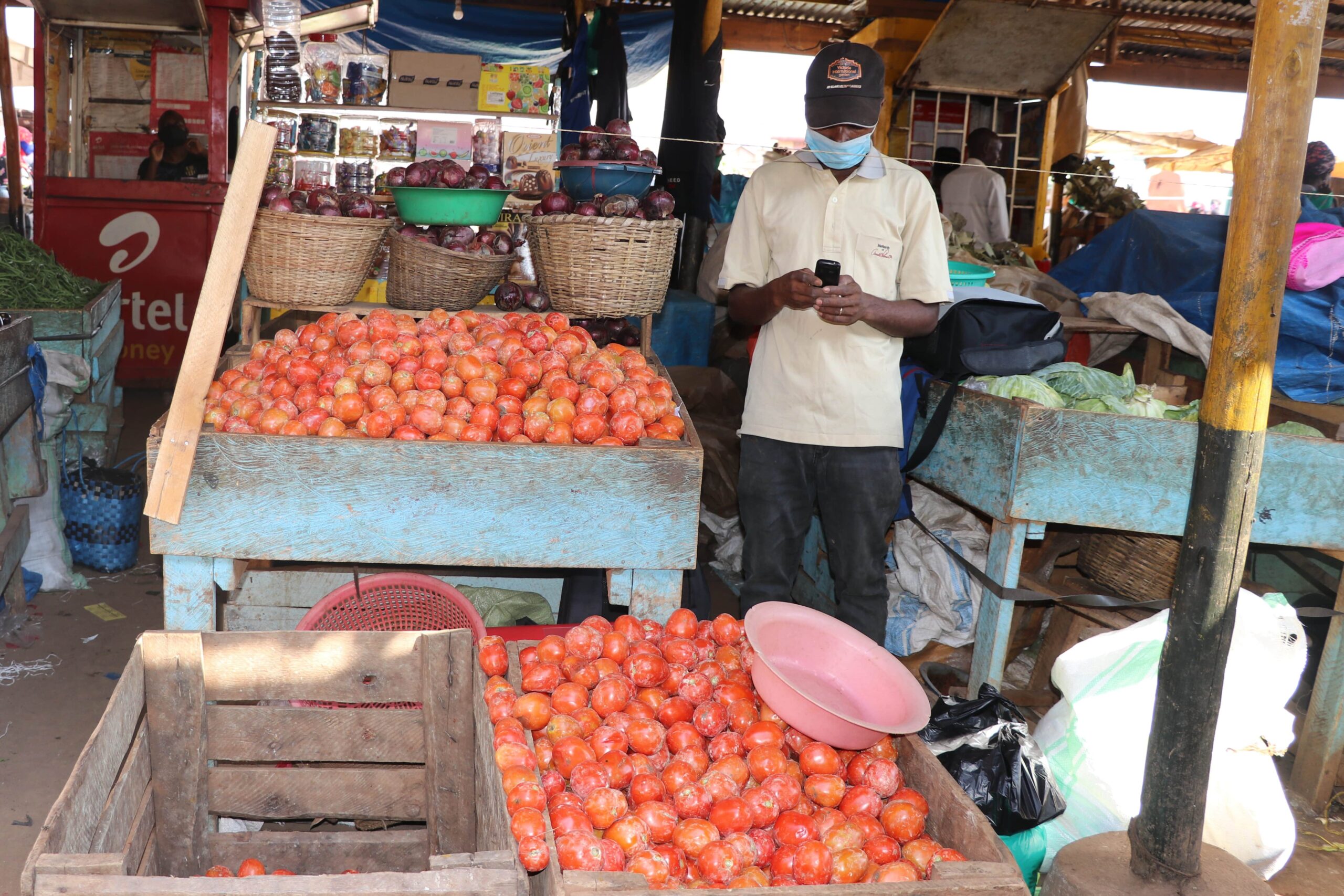
Micro, Small, and Medium-sized Enterprises (MSMEs) play a major role in Uganda’s economy, contributing to job creation, innovation, and growth.
And statistics are staggering. According to the Ministry of Finance, Planning and Economic Development (MOFPED), MSMEs collectively represent around 90% of the country’s private sector, contribute over 80% of manufactured output, and approximately 75% of the gross domestic product (GDP). They are employing at least 2.5 million people and are comprising more than a million enterprises.
Many of these enterprises are micro (93.5%) and remain largely informal. Last month, Uganda joined the rest of the world to recognise and mark the World MSME Day (June 27th). This year’s theme, Helping small biz thrive, and the purpose, To acknowledge the significant role of MSMEs in economic development and to promote their growth and sustainability, are apt to induce action.
Despite noticeable contribution to the economy, MSMEs are persistently held back by insurmountable challenges – lack of funding, uncertainty around taxation, high cost and unreliable electricity, inadequacy in skills, and informality, lack of cost-efficient transport infrastructure, inadequate logistical infrastructure, and costly ICT services among others. Understanding their challenges and opportunities can empower entrepreneurs to position their enterprises for sustainable growth and competitiveness.

FUNDING
Access to affordable capital remains the biggest hurdle for many MSMEs in Uganda. The Government of Uganda (GOU) has initiated several programs to provide MSMEs with affordable funding. The jury is out there on what has worked or what has not worked. These initiatives include the Small Business Recovery Fund (SBRF), launched in 2021 as a public-private partnership between GoU and Participating Financial Institutions (PFIs) to provide credit to small businesses that were distressed by the COVID–19 pandemic.
The SBRF has disbursed over UGX 39.7 billion to more than 3,200 small enterprises affected by the COVID-19 pandemic, focusing primarily on micro-enterprises with loans under UGX 20 million. The other fund initiative is the Agricultural Credit Facility (ACF), administered at Bank of Uganda, and has been operational since 2009.The ACF has provided over UGX 1 trillion in loans to agricultural projects, mainly supporting farm activities and grain trade. Both programs employ innovative block allocation models that reduce collateral barriers, making credit more accessible to informal and small-scale entrepreneurs.
For the Financial Year 2025/2026, the government allocated UGX 275 billion to SME growth programs, alongside a three-year tax exemption for new businesses with a capital investment less than UGX 500 million and the removal of mortgage stamp duty to ease financing. Even with these initiatives intended to be providing MSMEs with the much-needed funding, majority of them are less likely to obtain a loan compared to the large firms.
The other major challenge remains informality. This excludes businesses from crucial financial services and legal protections, limiting their potential for growth and expansion. Programmes to ease formalisation processes will open doors to essential benefits such as improved access to financing, eligibility for government-led programs including tax incentives and training.
Despite the opportunities MSMEs stand to gain after formalisation and government efforts, they still encounter significant challenges. Access to finance remains a major hurdle, as many entrepreneurs struggle with stringent collateral requirements and complicated lending processes. There is also a prevalent perception of multiple taxation that discourages formalization and growth. MSMEs have demonstrated their value to the Ugandan economy. It should be intentional to facilitate their quest to access affordable financing, training, and formalisation. The MSME day this year should challenge us to reflect hard on opportunities and challenges – and drive towards finding lasting solutions.