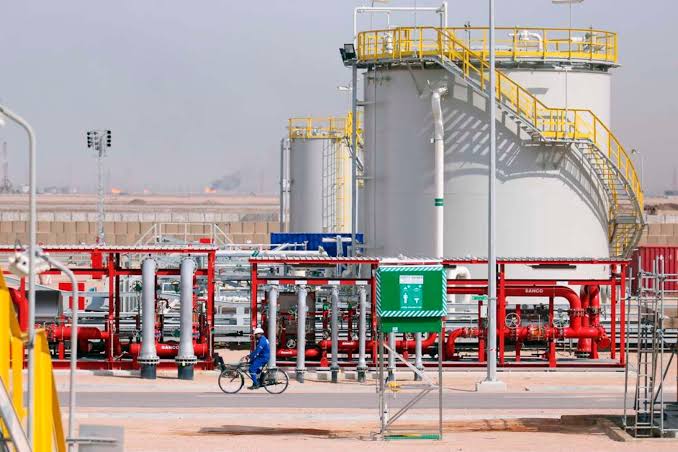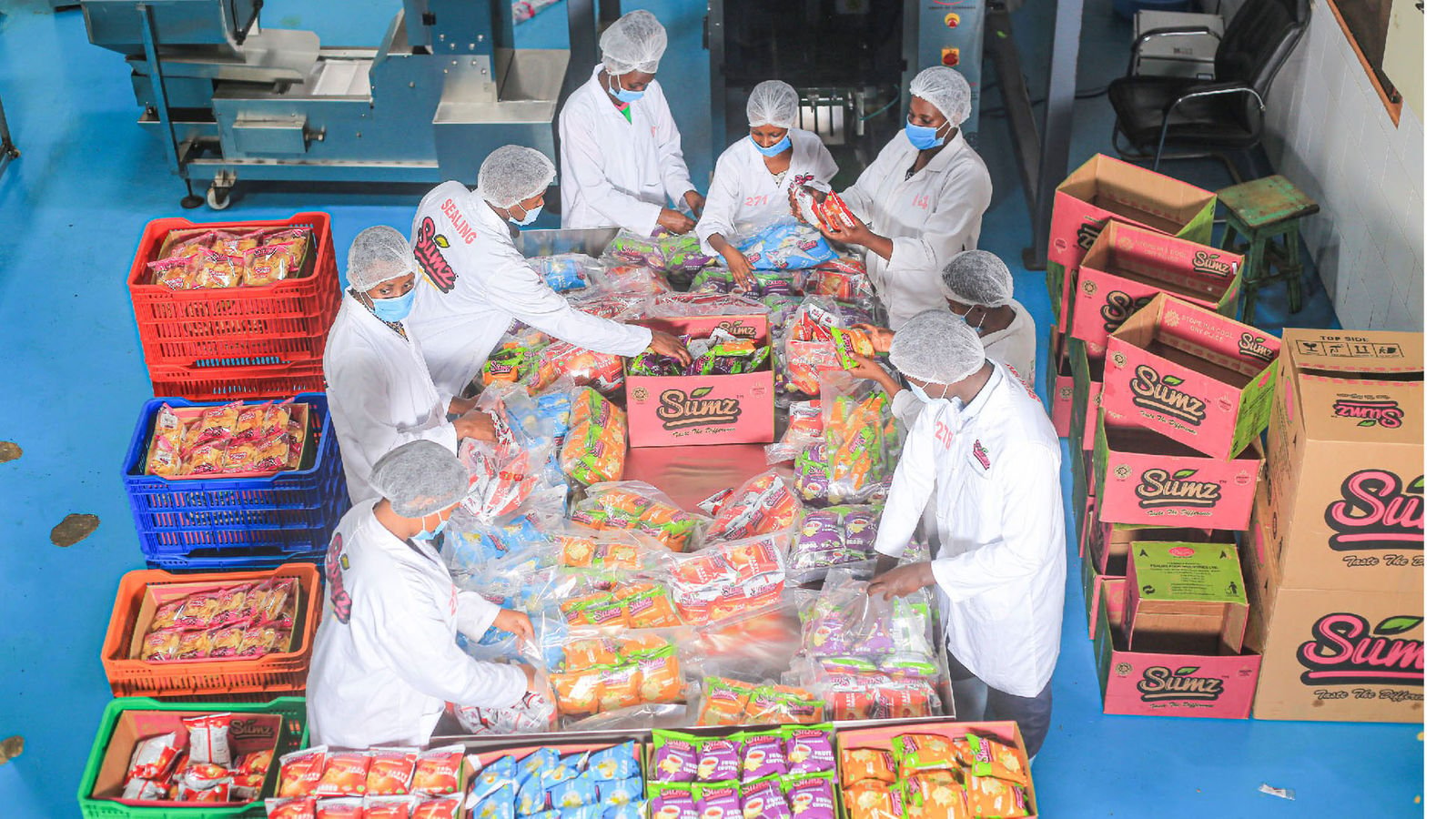
Value addition is widely recognised as a major driver of economic growth. By turning raw or semi-processed commodities into higher-value products, it creates jobs, drives infrastructure development, and strengthens local industries.
According to Uganda’s National Planning Authority (NPA), agricultural value addition means boosting a raw product’s economic value and consumer appeal through processing, packaging, branding, and marketing. However, building a thriving processing operation requires key investments: specialised machinery, expanded storage, and consistent cash flow. These are either missing or inadequate in the Ugandan eco-system.
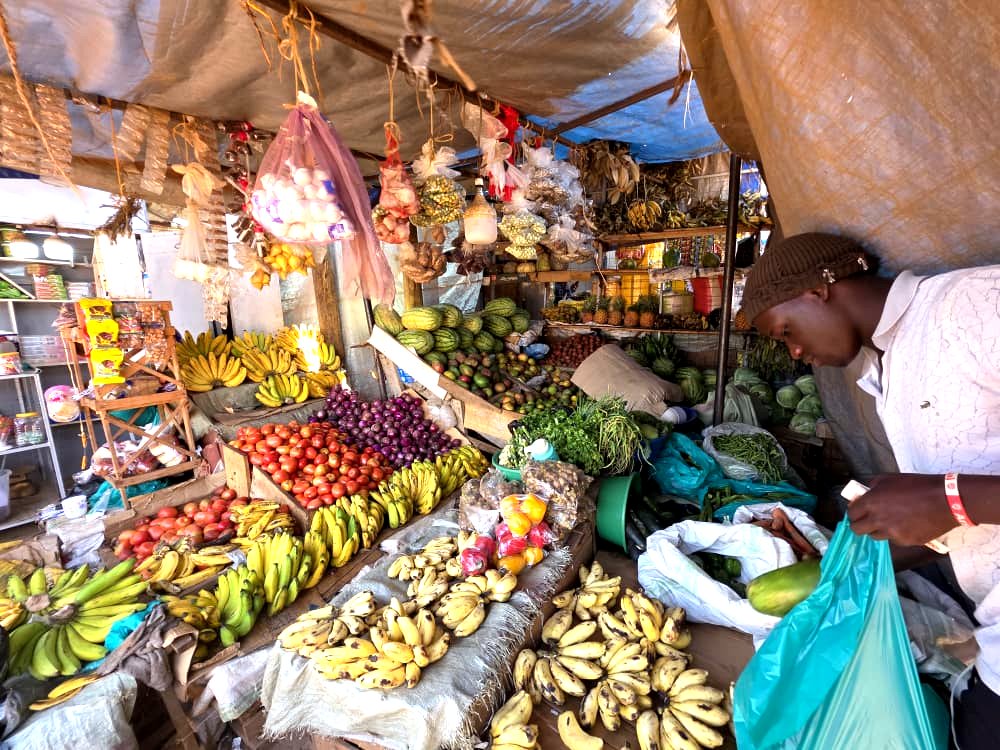
In Uganda, agriculture contributes 26.2 percent to Gross Domestic Product, accounting for 35 percent of export earnings, and employs 68 percent of the workforce, according to the Uganda Bureau of Statistics (UBOS). Because of limited agro-processing, Uganda’s agricultural products are classified as low value and fetch low prices in both domestic and export markets, which explain the low sector contribution to the economy.
Agro processing is impaired by lack of quality packaging capabilities, insufficient storage facilities, poor post-harvest handling practices, shortage of agricultural credit, high freight costs, lack of all-weather feeder roads in rural areas, among others.
Agro-processing industries adding value to farm produce often find it hard accessing the necessary credit. According to the World Bank , several surveys have identified the limited access to credit as the most significant constraint to doing business in Uganda in addition to the supply of affordable credit. These obstacles stand between Uganda’s raw commodities and its industrialisation goals. Commercial banks have the branch networks and technology to close that but are still failing. Smaller agro-processors, especially outside major towns, are turned away for lacking the paperwork, collateral, and credit history banks demand, according to the EPRC Agricultural Finance Yearbook 2024. It adds, however, that capital alone won’t fix this thus financing has to be redesigned around how agribusinesses actually operate.
Government’s main answer has been the Agricultural Credit Facility, set up in 2009 with the Bank of Uganda, commercial banks, and the Uganda Development Bank to offer medium and long-term loans at 12 percent interest. According to Bank of Uganda, ACF had disbursed UGX 1.35 trillion to 11,358 beneficiaries, with a non-performing loan ratio of just 0.57 percent against 3.7 percent for commercial banks generally. Agro-processing alone received UGX 195.3 billion across 213 projects.
Since commercial banks alone haven’t closed the gap, other financial institutions have stepped in with financing built for agro processors. The START Facility, run by the Private Sector Foundation Uganda, UN Capital Development Fund (UNCDF), and the Uganda Development Bank, offers agribusiness SMEs concessional loans at 10 percent plus grants and guarantees for equipment, storage and post-harvest handling. Its second phase, backed by EUR 11.5 million in new EU financing, aims to unlock USD 20 million for over 250 agribusinesses by 2027. At 10 percent, it’s a modest intervention but a telling example of financing shaped around what processors need rather than what a typical bank loan offers.
Addressing this financing gap will require several coordinated fixes. Uganda needs a clearer legal and regulatory framework for agricultural leasing, since equipment purchases for value addition are naturally suited to lease financing but currently lack the tax and regulatory clarity to scale.
Expanding alternative collateral models like warehouse receipt systems and the ACF’s Block Allocation arrangement, which already lets smallholders borrow using chattel mortgages and cash-flow-based assessments instead of land titles. Blended finance models, like UNCDF’s START facility which combine grants, concessional loans, and technical assistance to help agribusinesses become “bankable,” also point to a promising path.
The Bank of Uganda and commercial banks should take three steps. First, extend partial credit guarantee to commercial banks’ lending to agro processors. Second, require banks accessing government refinancing to report agro processing lending separately from general agricultural lending. Third, extend the Block Allocation to a wider pool of lenders.
Without these measures, Uganda’s raw commodities will keep leaving the farm gate largely unprocessed. With them, however, a facility that already lends more affordably and reaches more borrowers than the commercial banking sector could become the model the sector emulates, rather than a proof of concept confined to a handful of lenders.
Photo/courtesy