Uganda is set to hold its general election early in 2026. Several election-related activities such as nomination of candidates, campaigns, demarcation of electoral areas, and the update of the voters register among others have either already taken place or are in high gear.
But behind these activities – rallies, parties, sloganeering, and posters – lies considerable opportunities that Ugandan businesses can harness. The election season is a period of increased expenditure in the economy and for business owners, this presents a strategic window to boost sales, profits, and visibility.
For instance, the quarterly expenditure release by the Ministry of Finance, Planning and Economic Development (MoFPED) shows that about UGX468.7billion was released to the Electoral Commission in the first quarter of FY2025/26. Additionally, this month (August), the ministry disbursed UGX 11.25billion to support activities of the Inter-Party Organisation for Dialogue (IPOD).
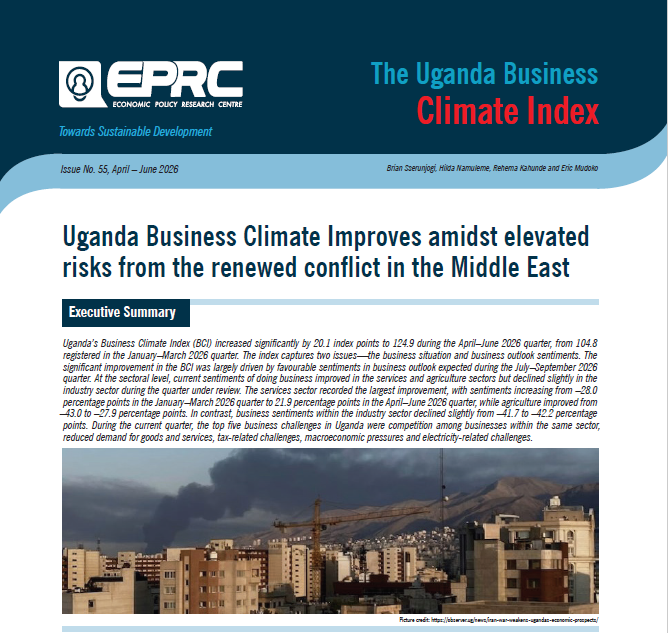
This trend is not new. Previous election cycles in Uganda have shown that periods leading up to elections are usually characterised by higher cash flows. This is evidenced by the budget releases reported in the 2022/23-2026/27 EC strategic plan which indicates an increase from UGX 53.4bn in FY2016/17 to UGX 227.7bn in 2021/22. Based on this history, businesses are positive about the conditions of doing business during this period leading to the 2026 elections. Indeed, Economic Policy Research Centre’s (EPRC) quarterly Business Climate Index (BCI) survey for April-June 2025 revealed that businesses were optimistic about the current election period, expecting an increase in demand for their goods and services, improvement in general business activity and profits.
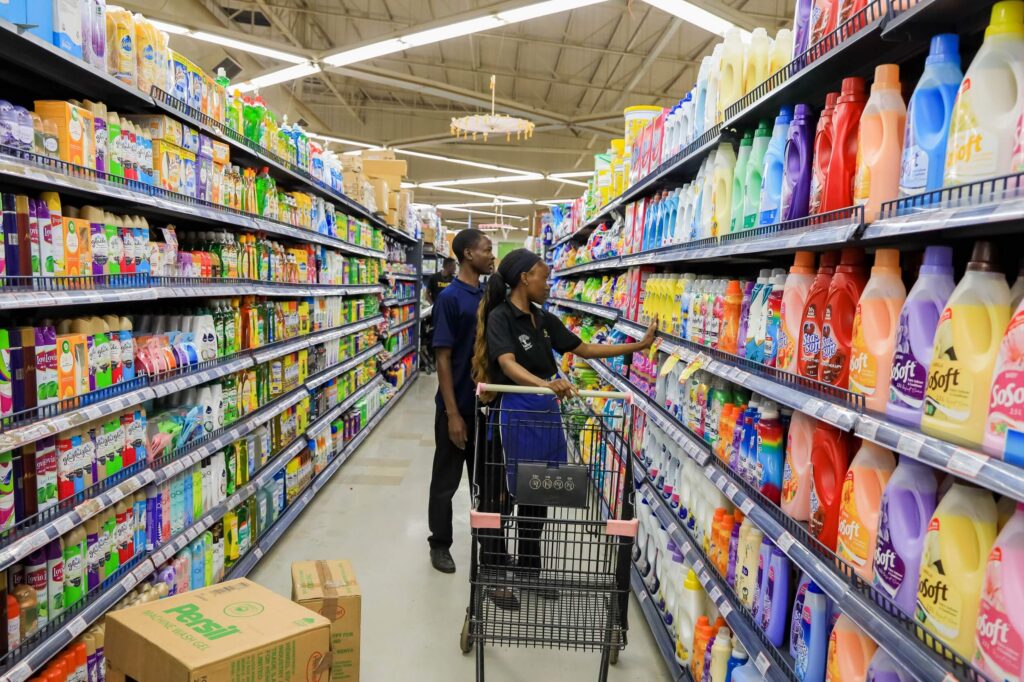
Notably, as campaign spending increases, more cash reaches local communities in the form of allowances for mobilisers, temporary hires and transport refunds, and at times, bribes to voters. This often translates into higher household spending especially on day-to-day use goods and services.
Besides, political campaigns, by their very nature, also demand a wide range of goods and services. From campaign posters and banners to public address systems, tents, catering, branded clothing and all the logistics behind every political rally present window of opportunity for many micro, small and medium-sized enterprises (MSMEs). Enterprises in textile production, printing, broadcast media, event management, fuel retail, transportation, and food supply chains among others should tap this opportunity.
More strategically, digital entrepreneurs have a unique chance to ride the wave of the election season. With increased attention on political developments, Ugandans are spending more time on digital platforms consuming news, debates and social media content. It is time for businesses to ensure a stronger online presence and take advantage of this traffic to promote their goods and services, run targeted promotions, while aligning their messages with topical themes.

Elections come with opportunities in media, printing and transportation. Photo/VOA
Beyond the increase in sales, the campaign period presents an opportunity for the business community to engage constructively in national dialogues. The private sector should play an active role in seizing all the opportunities that the current season inevitably brings. For example, through their associations and the national chamber of commerce, businesses can use this period to advocate for more favourable regulatory environment, tax regimes, and support mechanisms for enterprise development. The season is an opportune moment for private sector actors to influence manifestos and policy discussions. Business owners have reported increased power outages and multiple taxation among the key challenges they faced during the quarter April-June 2025. Business leaders can frame these as campaign issues.
However, seizing the opportunity requires readiness. Business owners should be prepared to tap into the season. For instance, for businesses that anticipate campaign-related boost in demand, there is need for them to stock up early, adjust production schedules, hire temporary labour, increase online presence or even bundle services to appeal directly to campaign organisers. With foresight, organisation and agility, Ugandan businesses can leverage the season to grow their businesses.
Nonetheless, business owners must also be aware of the risks associated with election seasons. Uncertainty or security concerns can disrupt normal operations, especially in areas where political activities may escalate into chaos. While leveraging the opportunities, businesses must plan for contingencies. This includes measures such as securing inventory in advance, safeguarding physical premises and having alternative sources of supplies.
Ms. Rehema Kahunde is a research Analyst at Economic Policy Research Centre (EPRC)
This article was first published in Daily Monitor on August 27, 2025
Featured Photo credit: Crisis Group