The Economic Policy Research Centre (EPRC) recently hosted its inaugural community town halls (barazas) in the Mbarara and Lira districts, creating a direct platform for rural communities to discuss the cohesion, growth, and long-term sustainability of family enterprises.
The meeting was guided by findings from the EPRC study, Family Businesses Sustainability in Uganda, and community forums formed part of a broader outreach strategy to reconnect with the communities where research data is gathered. Across both locations, conversations centered on foundational family values like mutual trust, collaboration, and a shared vision for generational wealth preservation.
Mbarara Baraza
The first gathering took place on June 18, 2026, in Rushozi Parish, Rubaya Sub-County, a rapidly transforming hub driven by commercial dairy farming, crop cultivation, and general trade. EPRC Research Analyst Medard Kakuru presented the report’s findings on intergenerational business transitions to community members and leaders spanning village to district levels.
During the session, Rubaya Chairperson Nathan Kayongo emphasized the need to align local business strategies with the government’s Parish Development Model (PDM), which funds small family enterprises to help them reach commercial scale.
Mr Allan Kateeba, a resident and financial support representative, pointed out that excessive taxes and high loan interest rates often stifle young enterprises before they can establish deep roots. He noted that for family businesses to survive into second and third generations, local conditions must allow them to remain economically viable.
Lira Baraza
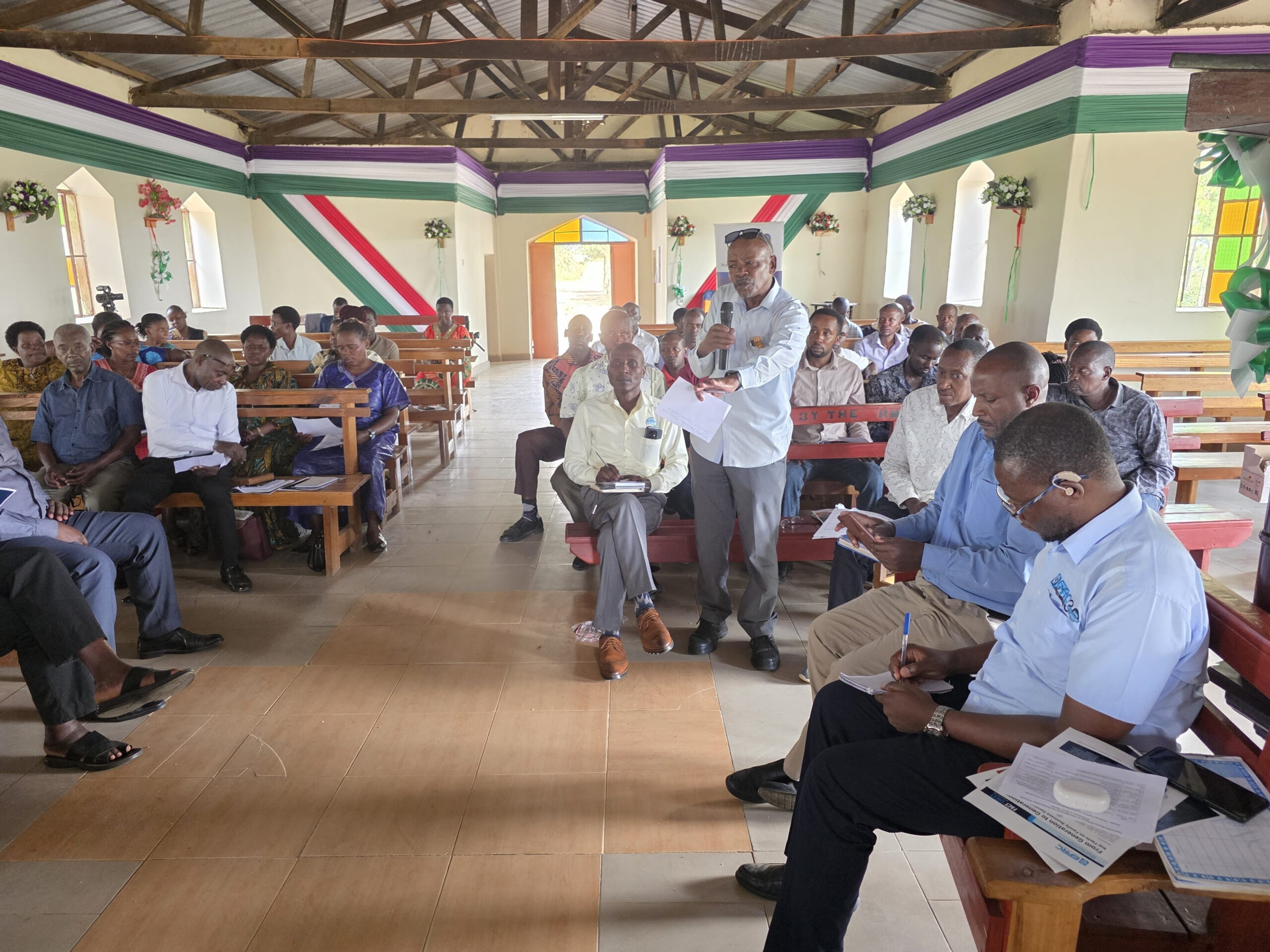
A second meeting followed on June 25, 2026, in Amach Town Council, Lira, an area heavily engaged in crop and livestock agriculture alongside agribusiness trade. EPRC Research Analyst Pauline Nakitende led the discussion, emphasising that formal succession planning, sound governance, strict financial discipline, proper record-keeping, and deliberate knowledge transfer are essential to sustaining family enterprises.
In response, Amach Town Clerk Akot Sylvia reaffirmed local government commitment to supporting family businesses through active coordination and monitoring of Parish Development Model (PDM)-supported ventures. She stressed the importance of local action points aimed at building inclusive economic development and long-term business continuity.
Bringing together PDM SACCO leaders, beneficiaries, local government officials, and farmers, the dialogues generated strong parish- and district-level commitments. Participants agreed to focus on business formalisation, separating personal and business finances, mentoring youth, and fostering stronger stakeholder collaboration.
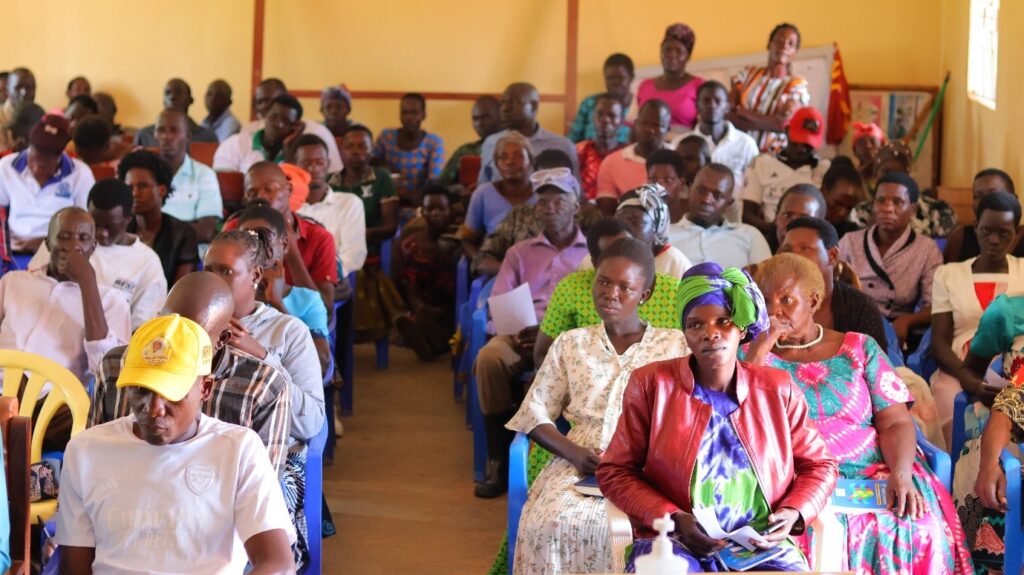
Above: Community baraza participants in Amach Parish, Lira
Featured Photo: Participants in Rushozi Mbarara